
HVAC Repair in Centreville, MD
Homes here need heat from October through April and cooling from June through September. If your system quits, tell us what it's doing and a licensed contractor who covers Queen Anne's County will get in touch.
Tell us about the job
It takes about a minute.
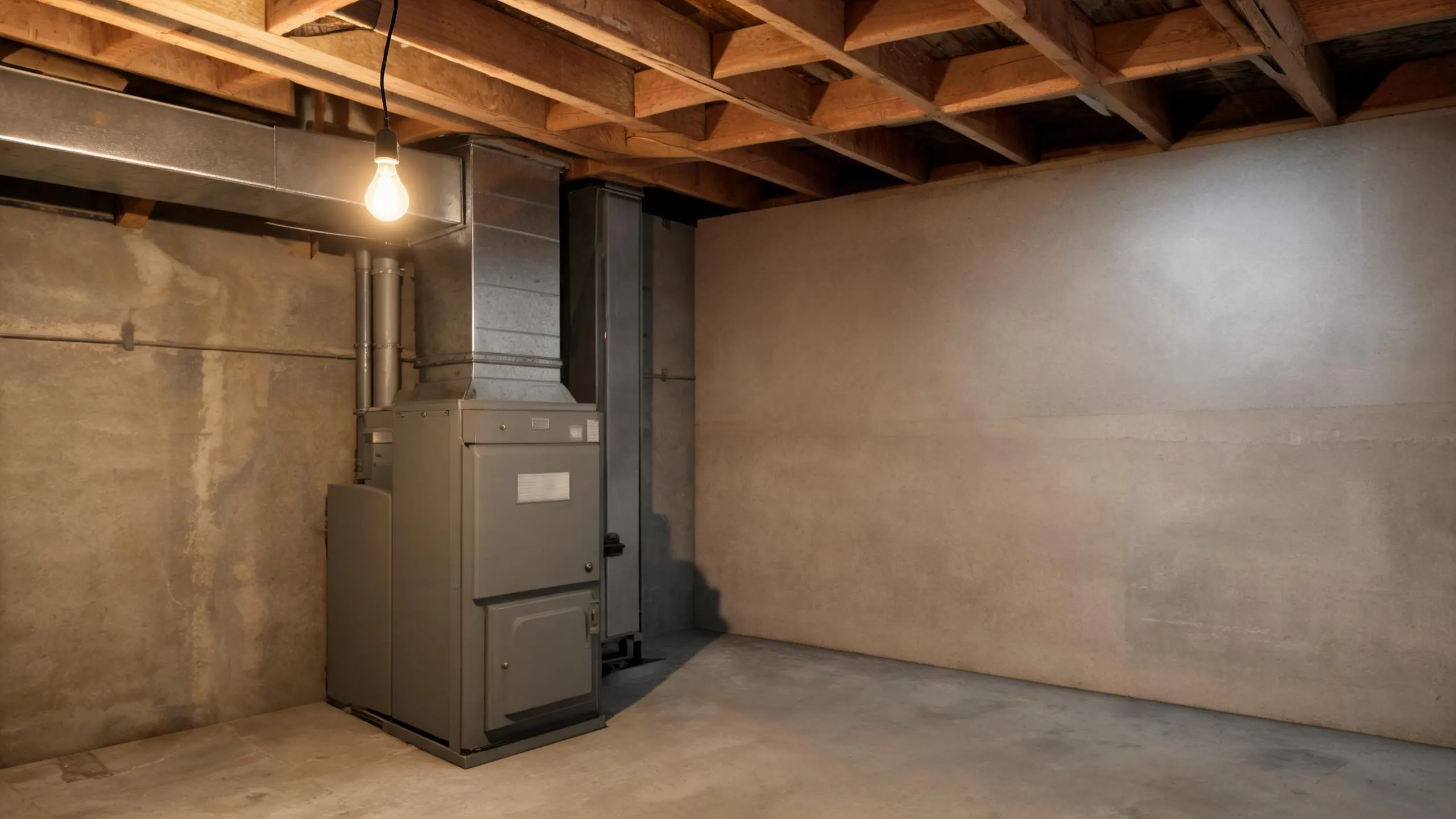
Eleven months of work for your system in Queen Anne's County
Your furnace runs October through April here, with winter nights averaging 28°F. It cycles on and off to hold that line, and every start puts wear on the igniter and the heat exchanger behind it. Summer flips the load the other way. Afternoons average 86°F from June through September, and the compressor runs long hours to keep the house cool. Only one month a year gives either part a rest.
Most homes in the county heat with electricity, so when the power goes out the furnace stops with it. Queen Anne's County has logged 9 winter storms and 104 damaging wind events over the last ten years, and storms like those have left 11% of Maryland households without power for at least a day. If your system will not restart after the power comes back, that is often a control board or a switch that needs a reset, not a sign the whole unit failed.
- 7 months
- October through April, your system heats
- 4 months
- June through September, it cools
- 28°F
- the average winter night it heats against
- 86°F
- the average summer afternoon it cools against
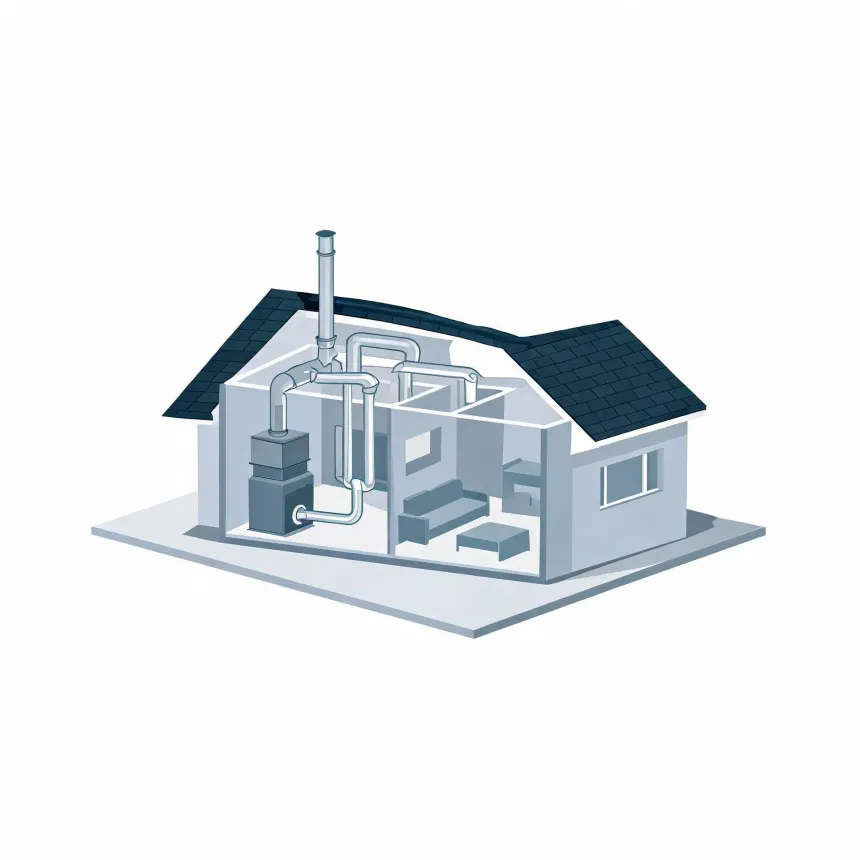
NOAA nClimDiv, 1991–2020 normals
Maryland requires HVAC contractors to hold a state license.
The license comes from the Maryland Board of Heating, Ventilation, Air Conditioning, and Refrigeration Contractors, and it belongs to the contractor, not the job. It covers the contractor as a whole rather than issuing a separate license for each repair that gets done.
For a repair like this, that license is what stands behind the work. Whoever comes out to look at your heating and cooling system should be able to point to that same license, the one the state granted them, not one tied to this particular job.
Sources: Maryland General Assembly · Maryland Department of Labor
- Why is my heat not working?
- Start with the thermostat. Make sure it is set to heat and not just fan, and check that the temperature is actually set above the room temperature. If that looks right, check your breaker panel. A furnace that keeps shutting off or never starts often has a bad igniter or flame sensor, and on nights near 28 degrees a system that can't hold a flame will let the house get cold fast. A heat pump that runs but never feels warm may be stuck in defrost or short on refrigerant. Either way, a contractor can test the parts that a thermostat check can't reach.
- Why is my system running but not cooling the house?
- The blower is moving air, but something is stopping that air from actually cooling. A dirty filter is the most common cause, since it chokes airflow across the coil until the coil ices up and stops pulling heat out of the house. Low refrigerant from a leak does the same thing from the other side. On an 86 degree afternoon a system fighting either problem will run constantly and still lose ground. Check the filter first. If it's clean and the vents still blow warm, the system needs a contractor to check refrigerant levels and the coil itself.
- What can I check before calling for HVAC repair?
- Check the thermostat settings first, including the batteries if it uses them. Then check the filter, since a clogged one can cause both weak heat and weak cooling. Look at the breaker panel and any switch near the furnace or outdoor unit to confirm nothing tripped. If you have a heat pump or electric furnace, keep in mind that 63.8% of homes here heat with electricity, so a tripped breaker after a storm is worth ruling out before anything else. Once those are confirmed, a licensed contractor can diagnose what the checks can't show.