
What Maryland homes are up against.
NOAA National Centers for Environmental Information, Storm Events Database, bulk CSV export, events 2015-01-01 through 2024-12-31. · U.S. Census Bureau, 2020-2024 American Community Survey 5-Year Estimates

A furnace here does not get long stretches to rest and then quietly show a problem before anyone needs it. Homes in Maryland run heat about seven months a year, from October through April. That leaves the ignition system and the heat exchanger cycling on and off through cold snap after cold snap, with little idle time in between for a small fault to sit unnoticed. When something is going to give out, it tends to happen while the system is already working hard, not while it is sitting off. A furnace that struggles should get looked at as soon as the trouble shows, since the season is not going to let up soon enough to cover for it.

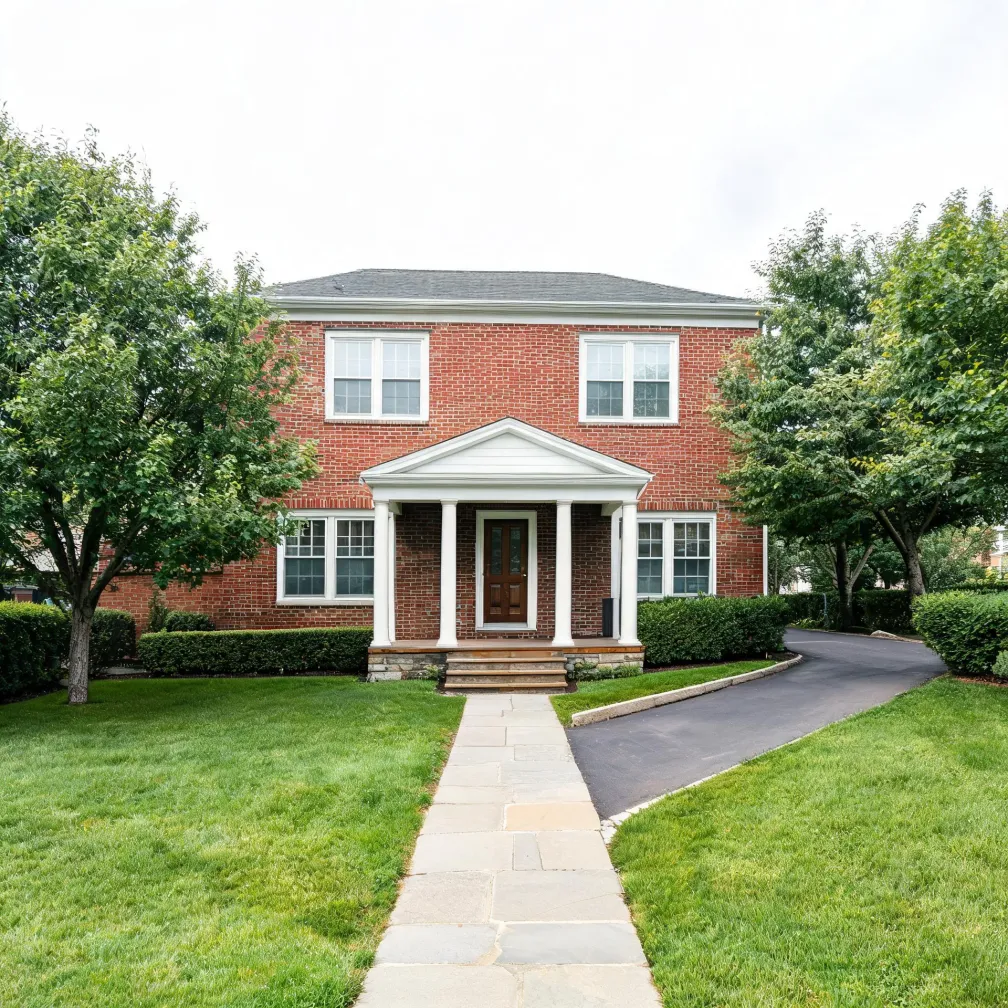
A contractor cannot quote new equipment from a description over the phone. What the return duct looks like, whether the panel has room for a new circuit, how the flue is routed, none of that shows up until someone opens the system up. Half the homes in Maryland were built in 1979 or earlier (2020-2024 ACS 5-year). That spread means the ductwork and wiring behind one wall can be in a different condition than what is behind the next one over. A load calculation and a look at what is actually there settle the size and the specification for the job.
Does your Maryland county put extra strain on your HVAC system?
2015–2024 · Source: NOAA National Centers for Environmental Information, Storm Events Database.
A county with a heavier storm record puts more strain on the equipment sitting outside your home. Wind, hail and heavy rain all reach a condenser directly, and repeated exposure wears on the cabinet, the coil and the fan inside it over time. If your county sees more of this kind of weather, have a contractor check where your outdoor unit sits, how well it is anchored to its pad, and whether the unit itself shows any wear from what it has already been through.
Maryland requires HVAC contractors to hold a state license.
Licenses are issued by the Maryland Board of Heating, Ventilation, Air Conditioning, and Refrigeration (HVACR) Contractors.
Sources: Maryland General Assembly · Maryland Department of Labor