
Dryer Vent Cleaning in Dundalk, MD
Tell us about your home, and a licensed contractor who covers Baltimore County will get in touch.
Tell us about the job
It takes about a minute.

Cold vents make lint stick
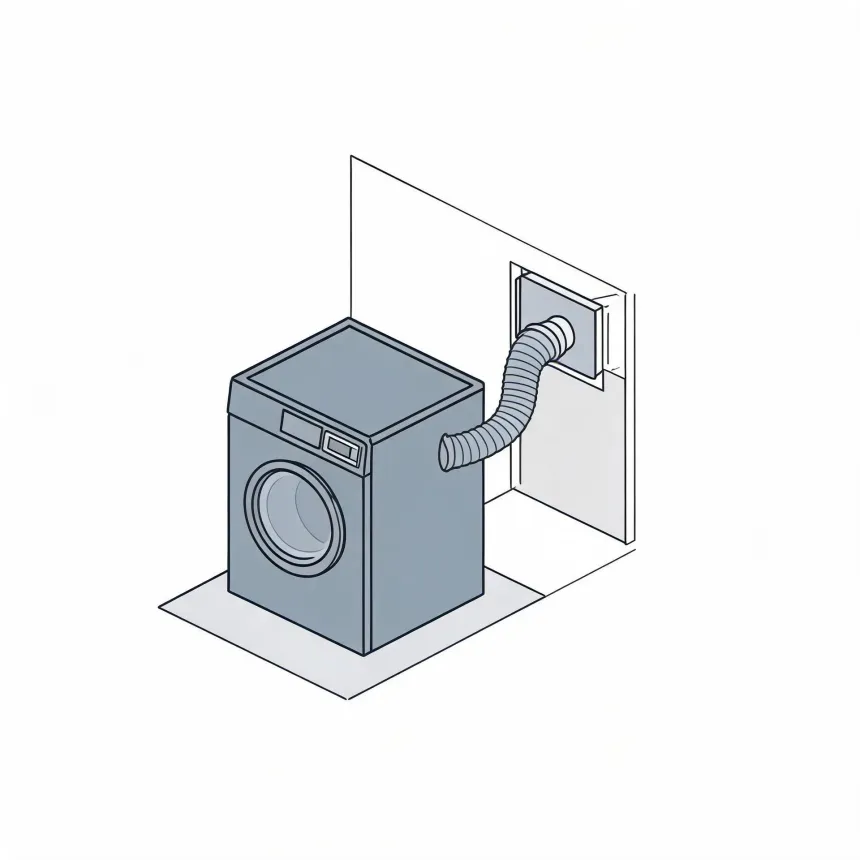
Your dryer pushes out warm, damp air. From October through April, that air is moving through a vent run sitting in cold space, with winter nights averaging 26°F. The warm air cools fast against the cold walls of the vent, and the moisture in it lets lint stick instead of blowing through to the outside.
Once lint builds up along those walls, the vent narrows. Air moves slower, so the next load takes longer to dry and pushes out even more moist air behind it. That buildup is where the risk sits, both for a dryer working harder than it should and for lint close to the heat source at the back of the machine.
- 26°F
- the average winter night, and cold vents catch damp lint
- 7 months
- October through April, the vent stays cold
NOAA nClimDiv, 1991–2020 normals
- How often should a dryer vent be cleaned?
- Once a year is the standard most manufacturers recommend. A longer vent run or one with several bends fills with lint faster than a short, straight one, so that's worth asking a contractor about when they clean it. If the vent hasn't been cleaned in a while, or you're not sure when it last was, that's reason enough to get it checked.
- Can I clean my dryer vent myself?
- You can clean the section behind the dryer and the outside hood yourself, and that's worth doing between full cleanings. What you can't reach is the lint packed inside the duct run itself, especially if it goes any real distance or bends through a wall or ceiling. A contractor uses a brush and vacuum built for the full length of the vent, which gets at what pulling the dryer out won't.
- What are the signs of a clogged dryer vent?
- Clothes coming out hot but still damp is the first sign, since the moist air isn't leaving through the vent like it should. A burning smell during the cycle, the outside hood flap barely moving when the dryer runs, and the dryer itself getting hot to the touch on the outside all point to the same problem. Lint building up around the door seal or on the floor behind the dryer means it's not all making it out through the vent either.