
HVAC Installation in Dundalk, MD
A new system here will heat from October through April and cool from June through September every year. Tell us about the house, and a licensed contractor who covers Baltimore County will get in touch.
Tell us about the job
It takes about a minute.
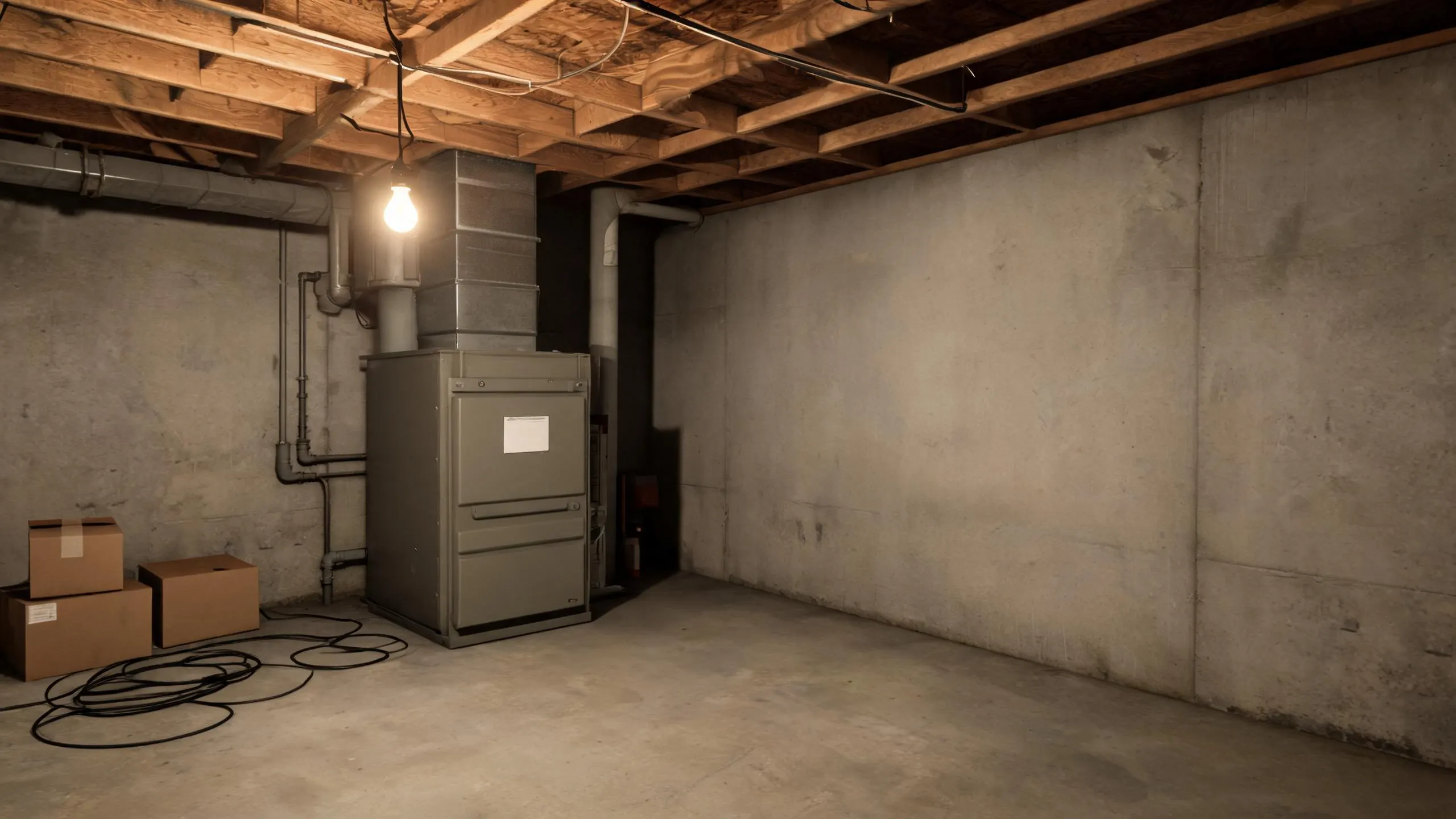
Eleven months of work for one system in Dundalk
Winter nights here average 26°F from December through February, and a furnace runs from October through April to keep up with that. Summer afternoons average 85°F, and the same system switches to cooling duty from June through September. That is eleven months a year with heat or cooling running somewhere in the house.
A new system installed here has to hold up on the coldest nights of a Maryland winter and still keep the house cool through a summer afternoon in the mid-80s. Power matters too. In 2024, 11% of Maryland households went at least 24 hours without it. Most furnaces and air conditioners come back on by themselves once the power does, and a standing pilot never needed it in the first place.
- 7 months
- October through April, your system heats
- 4 months
- June through September, it cools
- 26°F
- the average winter night it heats against
- 85°F
- the average summer afternoon it cools against
NOAA nClimDiv, 1991–2020 normals
Maryland requires HVAC contractors to hold a state license.
The state tests contractors before they get this license, and the license belongs to the contractor, not to any single job. That means the person or company doing your installation has already had to prove they know the trade, and the state keeps a record of who holds that license. It does not mean every job gets checked on its own.
Most cities and counties require a permit from the local building office for a job like this, with an inspection once the work is finished. The license tells you the contractor was tested and is on record with the state. The permit and inspection are what confirms this particular installation was done right, checked by someone whose only job that day is to look at your new system.
Sources: Maryland General Assembly · Maryland Department of Labor
- When should I replace my HVAC system?
- Replace it when repairs start costing more than they're worth or when the system can't keep up anymore. If a technician is finding a new problem every year, that pattern tends to continue rather than stop on its own. Homes here need heat from October through April and cooling from June through September, so a system that struggles in either season is going to struggle for months, not weeks. If yours is losing ground during a 26°F night or an 85°F afternoon, that's worth acting on before it fails outright.
- Should I replace my furnace and air conditioner at the same time?
- If both are old, replacing them together is usually the better plan, though it isn't required. A furnace and air conditioner installed years apart often don't match well, and pairing new equipment with an old blower or old coil can limit how well the new part performs. It also means one visit and one inspection instead of two separate jobs down the road. If one system is much newer than the other, a contractor can tell you whether it's worth keeping for now.
- What happens during an HVAC installation?
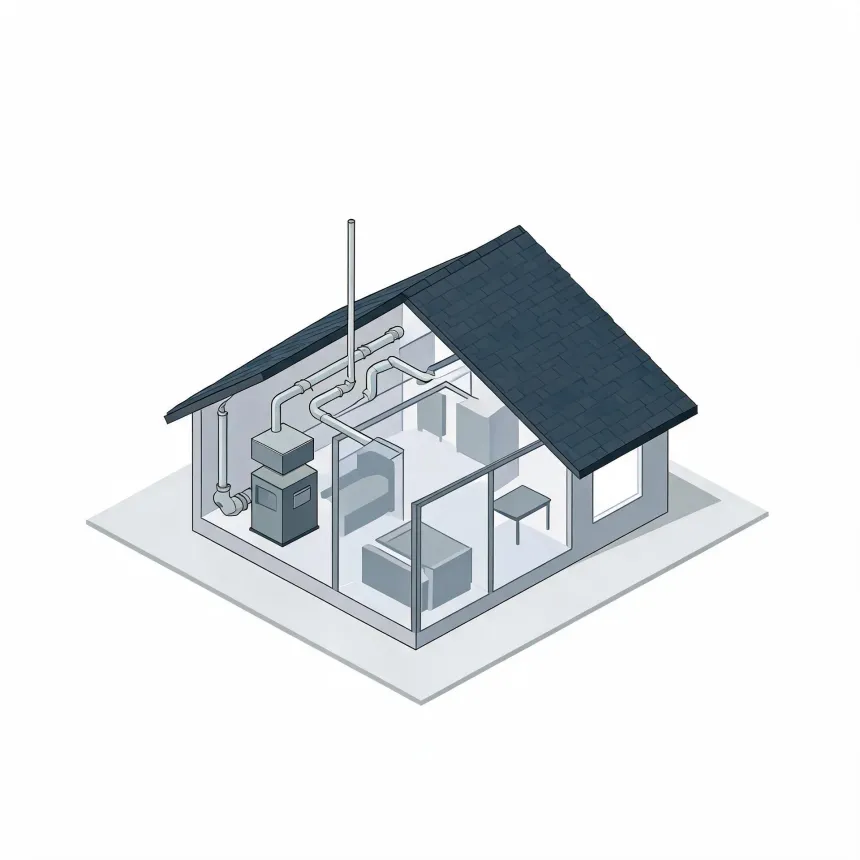
- A contractor removes the old furnace, air conditioner or heat pump and sets the new equipment in its place, then connects it to the ducts, refrigerant lines, gas line or electrical circuit it needs to run. After that they test it, checking airflow, refrigerant charge, and that it cycles on and off the way it should. In most cities and counties this work needs a permit from the local building office, with an inspection once the job is done. Maryland also requires the contractor doing the work to hold a state HVAC license, which covers the contractor rather than the individual job.