
Furnace Installation in Mountain Lake Park, MD
A new furnace here will run from September through May every year. Tell us about the house, and a licensed contractor who covers Garrett County will get in touch.
Tell us about the job
It takes about a minute.
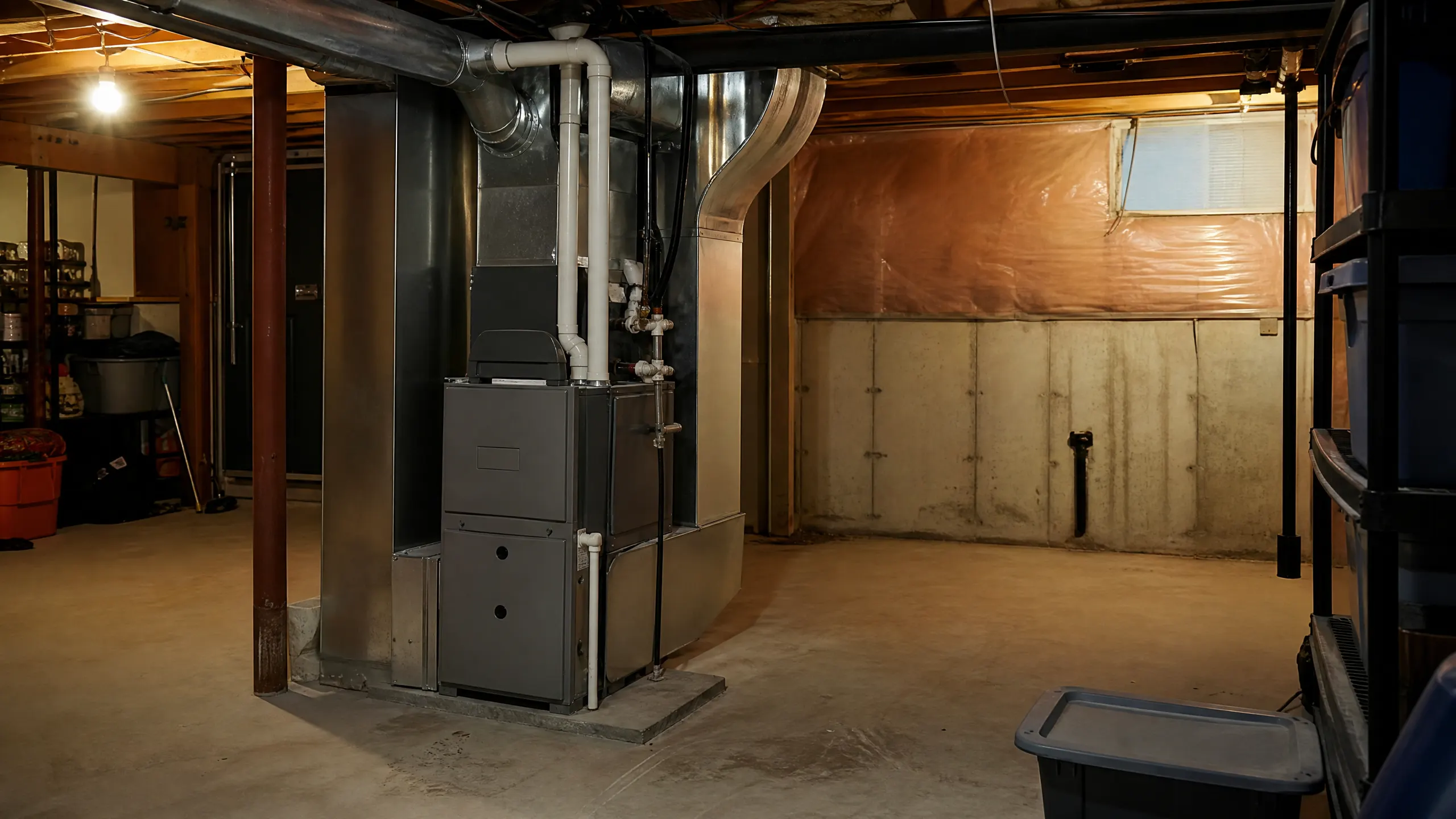
Nine months of heat, and winter nights near 21 degrees
Mountain Lake Park needs a working furnace from September through May, nine months of the year. Winter nights average 21°F from December through February. A new furnace here has to handle a long season, not just a few cold weeks.
Any gas furnace installed today has to meet the federal minimum of 80 percent AFUE. Power matters too. Across Maryland, 11 percent of households lost power for 24 hours or more in 2024, and the county has logged 63 damaging wind events over the past ten years. A furnace that starts back up on its own once the power returns is worth asking about when nights are this cold.
- 9 months
- September through May, your furnace is on duty
- 21°F
- the average winter night it heats against
- 80% AFUE
- the federal minimum any new unit must meet
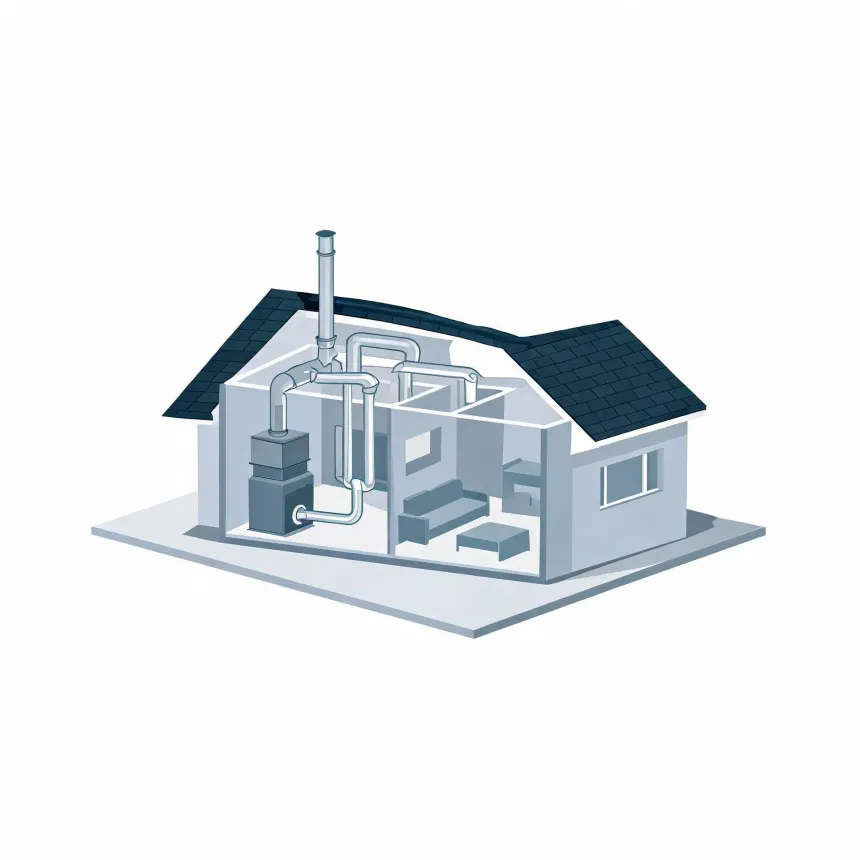
NOAA nClimDiv, 1991–2020 normals
Maryland requires HVAC contractors to hold a state license.
The Maryland Board of Heating, Ventilation, Air Conditioning, and Refrigeration Contractors tests and licenses the contractor, not the job. That means the person or company doing the work has already been checked by the state before they ever see your furnace, but the license itself does not inspect this particular installation.
That check comes from the permit. In most cities and counties, a furnace replacement needs a permit from the local building office, and the finished work gets an inspection afterward. The license tells you the contractor is qualified. The permit and inspection tell you this installation was done right.
Sources: Maryland General Assembly · Maryland Department of Labor
- What size furnace does my house need?
- The right size comes from a load calculation, not the square footage of your house alone. A contractor measures your walls, windows, insulation, and ceiling height, then factors in how cold it gets here, down to 21°F on a winter night, to find out how much heat your house actually loses. A furnace that's too big will short cycle and wear out faster. One that's too small will run constantly all winter and still leave rooms cold. Ask the contractor sizing your job to walk you through the calculation rather than quoting a size off the old unit.
- How do I know it's time to replace my furnace?
- An older furnace that needs repairs more than once a season, or that leaves parts of the house cold, is worth having looked at to see whether replacement makes more sense than another repair. Homes here need heat from September through May, nine months a year, so a furnace that struggles is not a small inconvenience. Rising fuel bills without any other explanation, a burner flame that looks yellow instead of blue, or a furnace that cycles on and off too often are also signs worth getting checked. A contractor can tell you whether the unit is worth fixing again or whether it has reached the end of its service life.
- Is a high-efficiency furnace worth it?
- It depends on how long you plan to stay in the house and what furnace you have now. Furnaces made after November 2015 already have to reach 80 percent AFUE at minimum, so the real question is whether stepping up further makes sense for your situation. With heat needed here nine months out of the year, a more efficient furnace has more months to make a difference than it would somewhere milder. A contractor can walk you through the efficiency options for your house and let you decide based on your own numbers, since costs and savings vary by home and by unit.