
HVAC Repair in Mountain Lake Park, MD
Homes here need heat from September through May and cooling from July through August. If your system quits, tell us what it's doing and a licensed contractor who covers Garrett County will get in touch.
Tell us about the job
It takes about a minute.
Nine months of heat, two months of cooling, not much rest in between
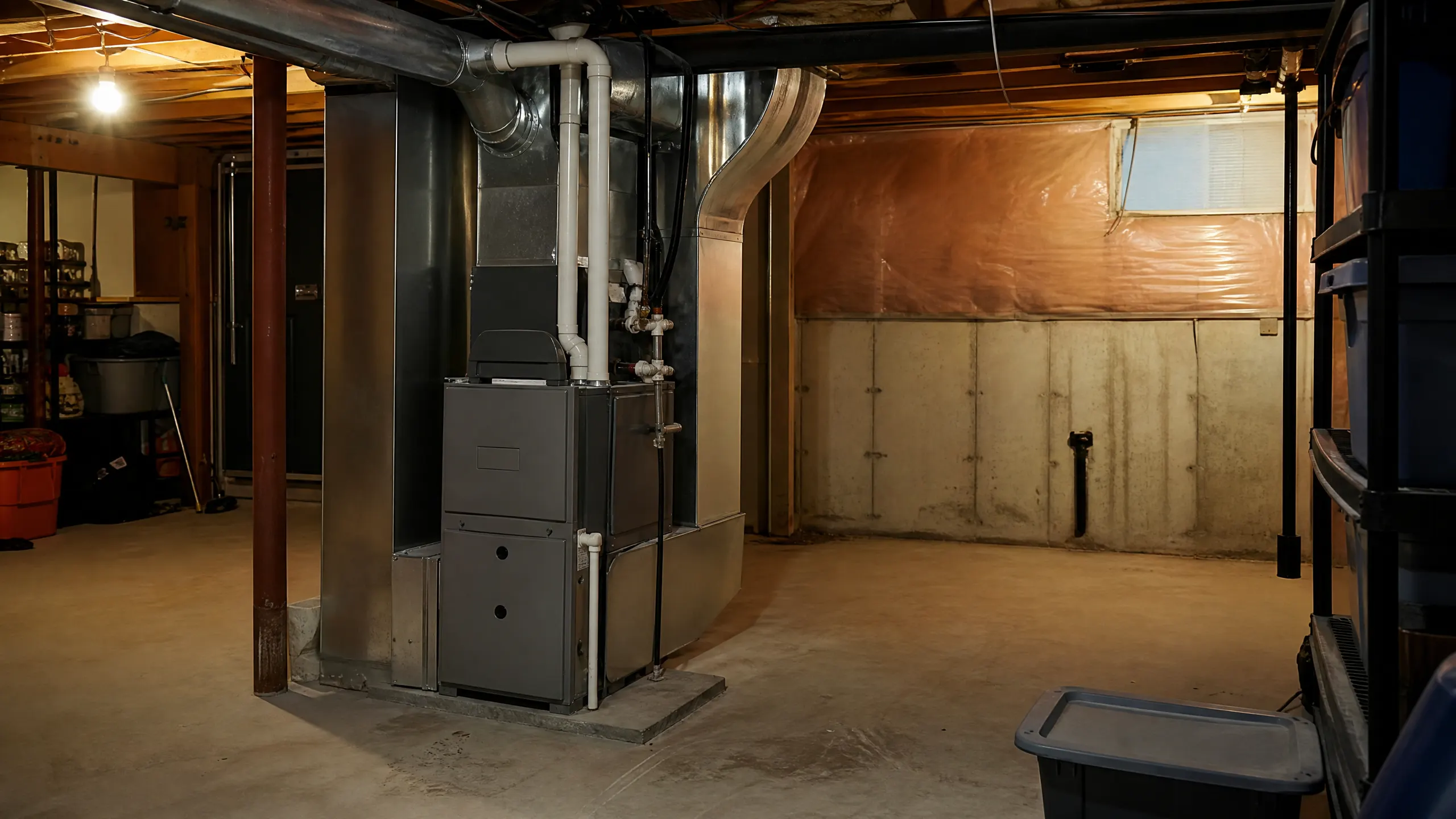
Your furnace is the machine doing most of the work here. Heat runs September through May, and on nights that average 21°F it can be cycling on and off for hours. Each start puts a load on the igniter and the burner. When one of those parts wears out, the furnace either won't light or won't keep up, and you feel it fastest at night when it's coldest.
Summer is short but it still counts. Afternoons average 78°F from July through August, enough to run the air conditioner daily for two months straight. That's eleven months a year your system is doing something, with barely a break between the last cold snap and the first hot stretch. Garrett County also sees its share of wind. Sixty-three damaging wind events hit the area over the past ten years, and storms like that knock out power. When the power drops and comes back, most furnaces and air conditioners restart on their own, but if yours doesn't, that's a sign something else needs a look.
- 9 months
- September through May, your system heats
- 2 months
- July through August, it cools
- 21°F
- the average winter night it heats against
- 78°F
- the average summer afternoon it cools against
NOAA nClimDiv, 1991–2020 normals
Maryland requires HVAC contractors to hold a state license.
The Maryland Board of Heating, Ventilation, Air Conditioning, and Refrigeration Contractors is the one that issues the license. The license belongs to the contractor, not to the job, so it does not get reissued for each repair.
For a repair on a heating and cooling system, that state license is the thing accountable for the work. It covers the contractor doing the job, the same contractor whether the repair is small or large.
Sources: Maryland General Assembly · Maryland Department of Labor
- Why is my heat not working?
- Start with the thermostat. Make sure it's set to heat and the temperature is set above room temperature, since a setting bumped a degree or two can look like a dead system. Check the breaker for the furnace and, if it's gas, make sure the switch that looks like a light switch near the unit hasn't been turned off. If power and settings check out, the igniter or flame sensor may have failed, and that's a job for a licensed contractor. With winter nights here averaging 21°F, a furnace that won't fire isn't something to leave for long.
- Why is my system running but not cooling the house?
- Check the air filter first. A filter clogged with dust blocks airflow across the coil, and the coil can ice over, which means the system runs but blows warm air. Check the thermostat is set to cool, not fan, and check the outdoor unit for leaves or debris packed against it. If the filter is clean and the outdoor unit is clear, the system may be low on refrigerant or have a failed part, and that calls for a contractor to diagnose.
- What can I check before calling for HVAC repair?
- Check the thermostat settings, the batteries in it if it uses them, and the breaker for the system. A tripped breaker or a thermostat switched to the wrong mode causes a lot of no-heat and no-cool calls. Check the air filter next, since a filter packed with dust chokes airflow and can shut a system down or make it work harder than it should. If those all look fine, note what the system is doing, whether it runs and blows no warm or cool air, makes a noise, or doesn't turn on at all, since that will help a contractor get to the problem faster. In Maryland, any contractor working on the system needs to hold a state HVAC license, so check for that before they start.