
Furnace Installation in Ocean City, MD
A new furnace here will run from October through April every year. Tell us about the house, and a licensed contractor who covers Worcester County will get in touch.
Tell us about the job
It takes about a minute.
Seven months of heat, with the power not always on
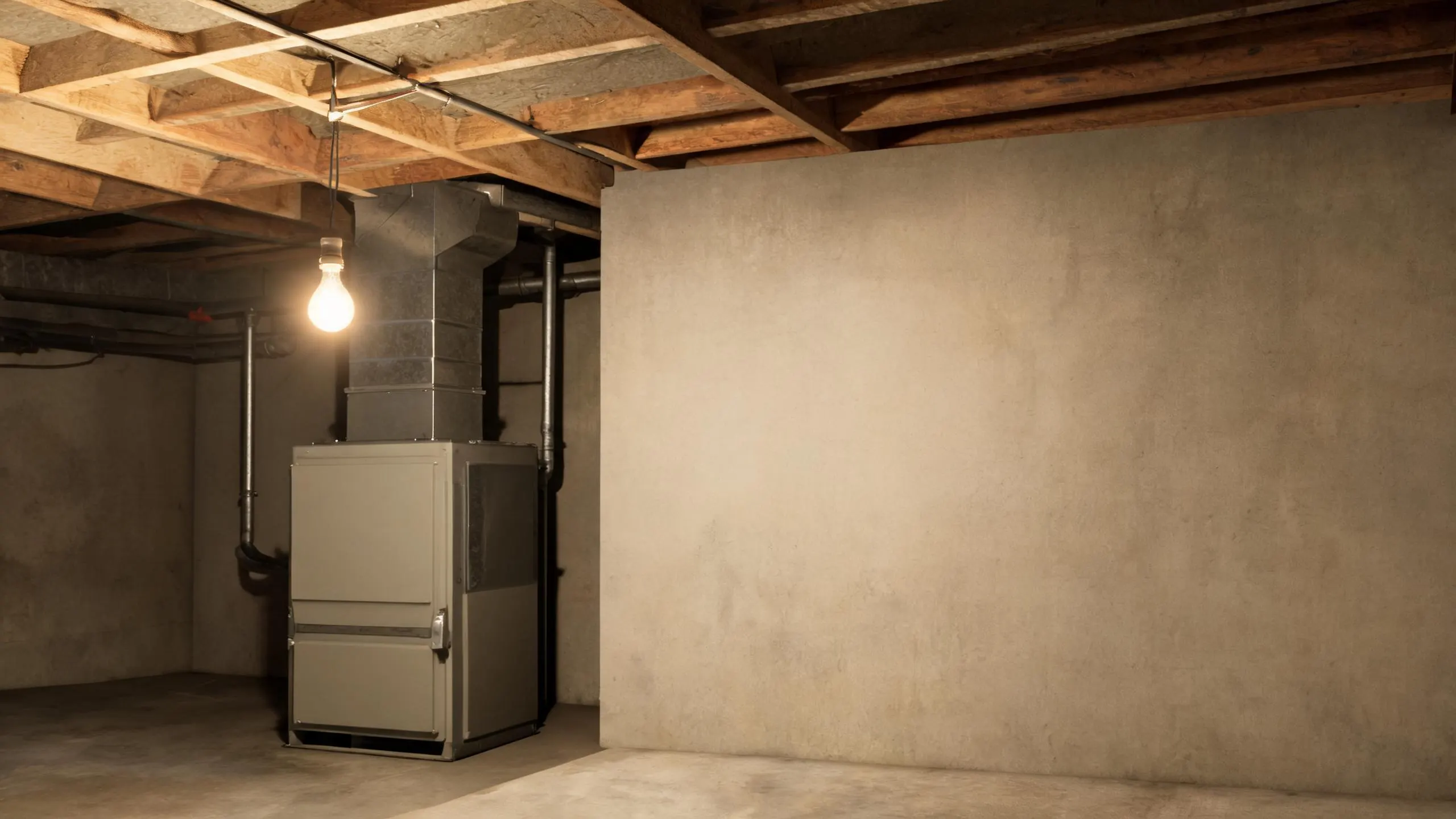
Ocean City needs a working furnace from October through April, seven months of the year. Winter nights average 30°F, so the burner is lighting and running most of the winter, not just on the coldest days.
More than 11% of Maryland households lost power for at least 24 hours in 2024, and the region has seen 12 winter storms and 45 damaging wind events over the past ten years. Most furnaces need electricity to run even when the fuel is gas, so a storm that knocks out power can leave a house without heat too. If you're installing a gas furnace, it has to meet 80.0 percent AFUE at minimum, the federal standard for units built since November 2015.
- 7 months
- October through April, your furnace is on duty
- 30°F
- the average winter night it heats against
- 80% AFUE
- the federal minimum any new unit must meet
NOAA nClimDiv, 1991–2020 normals
Maryland requires HVAC contractors to hold a state license.
The state board tests contractors before they get that license, and it keeps a record of who holds one. The license belongs to the contractor, not to any single job, so the same license that qualifies them to install a furnace in one home qualifies them for the next one too.
For a furnace installation, the license is what backs the person doing the work, but Worcester County still has its own checkpoint. Most cities and counties require a permit for a furnace replacement, and an inspection once the work is finished. That inspection is separate from the state license. It is the local building office checking that this particular installation was done right, in this particular house.
Sources: Maryland General Assembly · Maryland Department of Labor
- What size furnace does my house need?
- The right size depends on your square footage, ceiling height, insulation, window count, and layout, not on what your old furnace was rated at. A furnace that's too big cycles on and off too fast and never runs long enough to heat evenly. One that's too small runs constantly and still can't keep up on the coldest nights, and winter lows here average 30°F. A contractor will do a load calculation on your actual house before installing anything, and that number is the one that matters.
- How do I know it's time to replace my furnace?
- An aging furnace that's needed more than one repair call this year is usually telling you something. Uneven heat from room to room, a furnace that runs longer than it used to, or a yellow flame instead of blue are all signs worth paying attention to. Homes here need heat from October through April, so a furnace that's struggling now will only get worse as winter sets in. A contractor can look at its condition and tell you whether repair still makes sense or replacement is the better move.
- Is a high-efficiency furnace worth it?
- Every non-weatherized gas furnace made since November 2015 has to reach at least 80 percent AFUE by law, so even a standard model today wastes less fuel than older units did. High-efficiency furnaces go further by pulling more heat out of the exhaust before it leaves the house instead of letting it go up the flue. With heat needed here seven months of the year, that difference adds up over a full winter. A contractor can walk through which efficiency level makes sense for your furnace's venting and your house.