
Furnace Repair in Leonardtown, MD
Furnaces here run from October through April. If yours quits, tell us what it's doing and a licensed contractor who covers St. Mary's County will get in touch.
Tell us about the job
It takes about a minute.
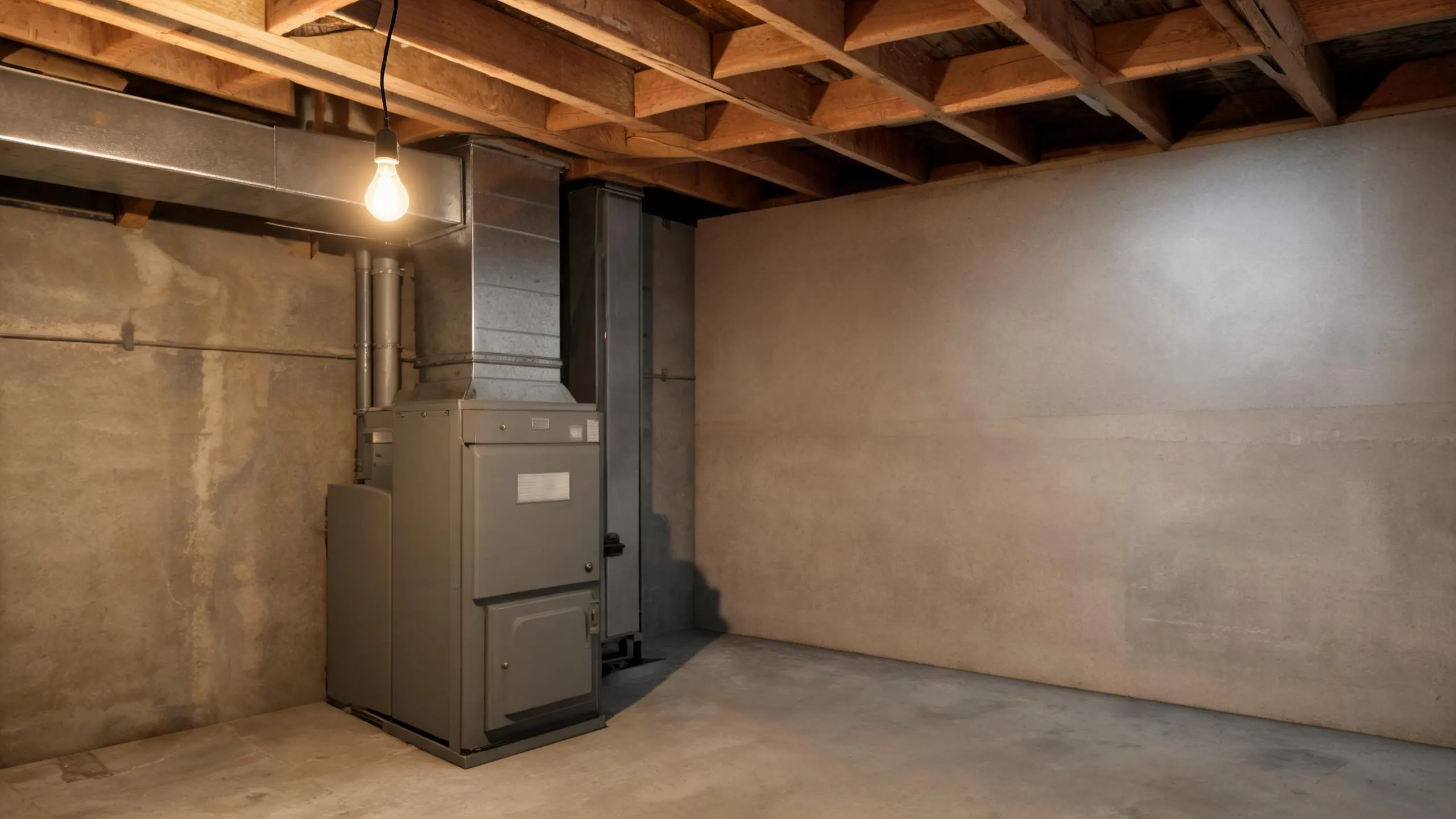
Seven months of work, most of it on cold nights
Furnaces in Leonardtown run October through April. That is seven months of the year, with winter nights averaging 29°F from December through February. On nights that cold, the burner is cycling on and off for hours at a stretch, and every cycle puts a little more wear on the igniter and the flame sensor.
Most homes here heat with electricity, so a furnace that depends on it for ignition or the blower stops working the moment power drops. St. Mary's County sees its share of winter storms and damaging wind, and across Maryland, 11% of households lost power for 24 hours or more in 2024. When that happens on a cold night, the first thing you notice is a house that will not warm back up even after the lights come on.
- 7 months
- October through April, your furnace is on duty
- 29°F
- the average winter night it heats against
- 14 winter storms
- in ten years, the nights a failure hurts most
NOAA nClimDiv, 1991–2020 normals
Maryland requires HVAC contractors to hold a state license.
Maryland tests contractors before they can hold this license, and the state keeps a record of who passed. That license belongs to the contractor, not to the job, so it does not need to be renewed or reissued for your furnace repair specifically. It is the same license whether the work is a furnace, an air conditioner, or a boiler.
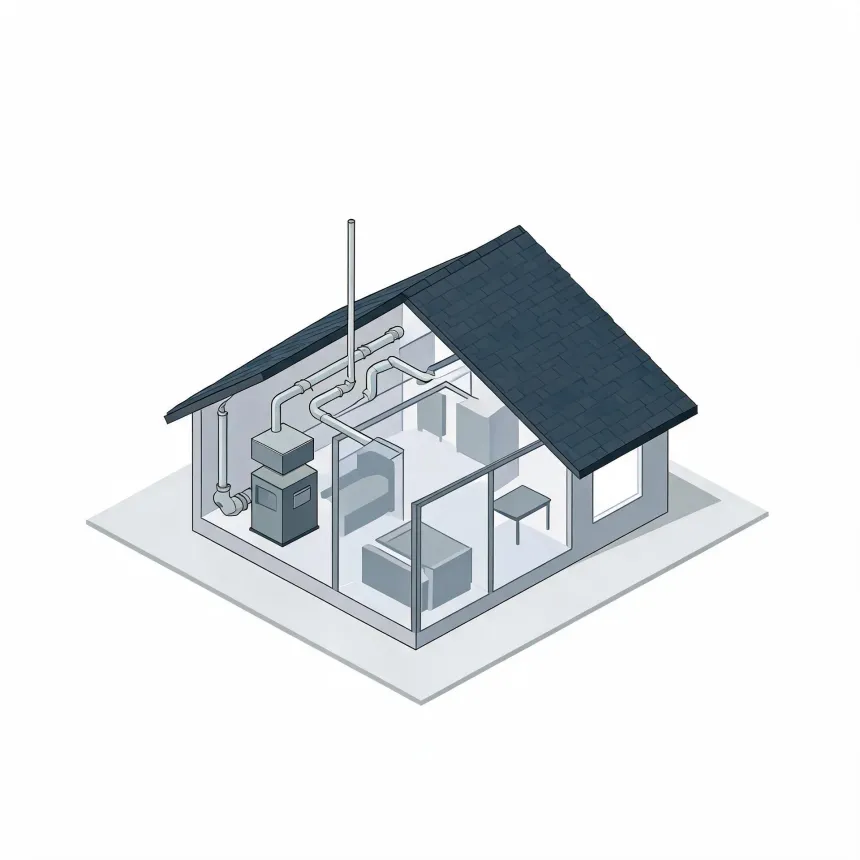
For a furnace repair, that license is what stands behind the person in your basement or utility closet. Gas furnaces have a gas connection, and a bad one is the dangerous part of the job. In Maryland, the license itself is what puts a name and a record behind whoever makes that connection.
Sources: Maryland General Assembly · Maryland Department of Labor
- Why won't my furnace turn on?
- Most often it's the thermostat not calling for heat, a tripped breaker, or a safety switch that's stopped the furnace from starting. Check that the thermostat is set to heat and above room temperature, and that the switch on the furnace itself, the one that looks like a light switch, is on. If the breaker keeps tripping or the furnace stays dead, a contractor needs to check it before you try again, since running power to a furnace with a real fault can cause more damage.
- Why is my furnace blowing cold air?
- A furnace blows cold air for a few seconds when it first starts, while the burners light and the heat exchanger warms up. That's normal. If cold air keeps coming the whole time it runs, the igniter or a flame sensor may be failing, so the blower is running without the burners lighting behind it. A dirty filter can also cause this by starving the burners of airflow. With winter lows here averaging 29°F, a furnace stuck blowing cold air needs attention the same day.
- Why won't my furnace pilot light stay lit?
- A pilot light that won't stay lit usually means the thermocouple has worn out. That's the small part that senses the flame and tells the gas valve to stay open. When it fails, the valve shuts the gas off as a safety measure even though the flame was fine. A draft blowing across the pilot or a dirty pilot orifice can also cause this. Either way, it's a part a contractor replaces, not something to keep relighting on your own.