
Dryer Vent Cleaning in Leonardtown, MD
Tell us about your home, and a licensed contractor who covers St. Mary's County will get in touch.
Tell us about the job
It takes about a minute.

Cold vents catch more lint than warm ones
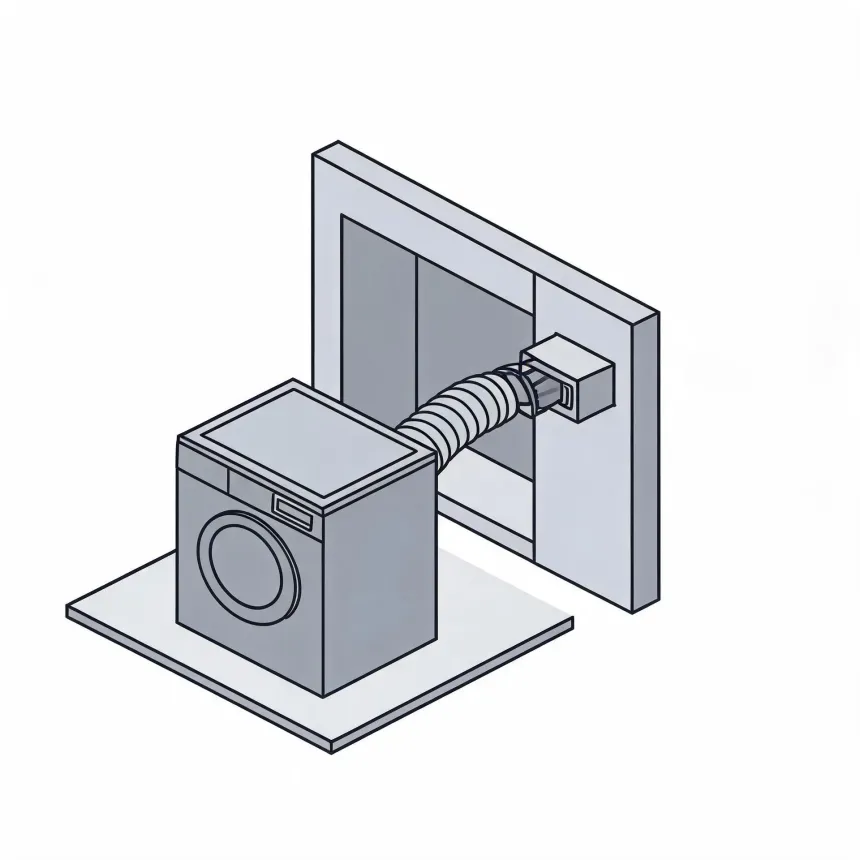
Every load of laundry pushes warm, damp air through the vent and out to the vent hood. From October through April, that vent runs through space that sits near 29°F on a winter night. The air cools fast once it hits that cold metal, and the moisture in it beads up on the walls of the duct. Lint sticks to a wet surface far more than it does to a dry one, so the buildup happens faster in the cold months than the rest of the year.
That buildup narrows the path the air has to travel. A dryer working against a partly blocked vent runs hotter and takes longer to get clothes dry. Lint packed against a damp duct wall is also the kind of buildup that does not clear on its own.
- 29°F
- the average winter night, and cold vents catch damp lint
- 7 months
- October through April, the vent stays cold
NOAA nClimDiv, 1991–2020 normals
- How often should a dryer vent be cleaned?
- Once a year is the general rule for most households. If you run the dryer every day, or dry heavy loads like towels and bedding often, check it sooner since lint builds up faster with heavier use. A vent with a short, straight run to the outside hood tends to stay clear longer than one with several bends or a long path through the house.
- Can I clean my dryer vent myself?
- You can clean the lint trap and the first few feet of duct behind the dryer yourself. The rest of the run, especially where it passes through a wall or attic on its way to the outside hood, needs a brush and rod system built to reach that far without tearing the duct. If you cannot see the vent hood flap open well when the dryer runs, or the duct has tight bends, a contractor can reach sections a homeowner usually cannot.
- What are the signs of a clogged dryer vent?
- Clothes that take two cycles to dry, a dryer that runs hot to the touch on the outside, and little to no airflow at the outside vent hood while it runs are the main signs. A burning smell during a cycle is another, and that one means stop using the dryer until the vent is checked. Lint collecting around the outside hood, or the flap barely opening when the dryer runs, points to a blockage further down the line.