
HVAC Repair in Bowie, MD
Homes here need heat from October through April and cooling from June through September. If your system quits, tell us what it's doing and a licensed contractor who covers Prince George's County will get in touch.
Tell us about the job
It takes about a minute.
Eleven months of work, most years, for your system
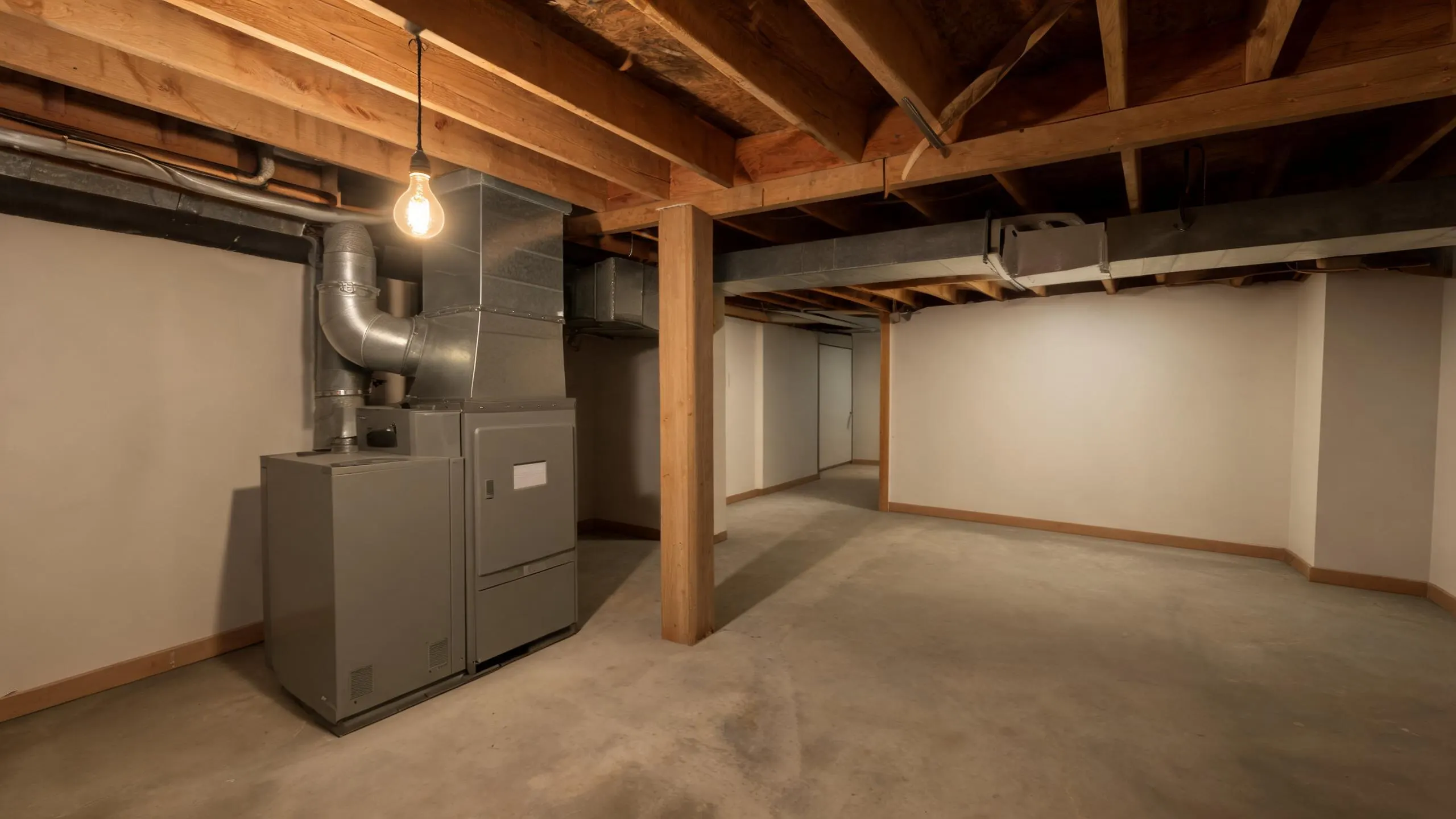
Bowie only gets a slow month or two in spring and fall. From October through April your furnace is carrying the load, and winter nights averaging 28°F mean it cycles on and off for hours at a time. Come June, the same system switches over and runs against afternoons near 86°F, four months straight. Most homes here heat with gas, so that furnace and the AC share the workload almost all year with barely a rest between them.
That kind of use adds up on specific parts. Igniters wear out from repeated cycling. Capacitors weaken from long summer run times and stop the outdoor fan or compressor from starting right. On top of that, this area sees real storms, wind events especially, and Maryland homes lost power for a day or more often enough in 2024 that it's worth planning for. A system that comes back on hard after an outage can trip a breaker or reveal a part that was already close to failing.
- 7 months
- October through April, your system heats
- 4 months
- June through September, it cools
- 28°F
- the average winter night it heats against
- 86°F
- the average summer afternoon it cools against
NOAA nClimDiv, 1991–2020 normals

A new furnace and air conditioner would cut about $170 a year off heating and cooling for a typical Prince George's County home.
Estimates for a typical Prince George's County home, compared with an older unit built to the previous federal minimum, from EIA household energy data, Maryland fuel prices and NOAA climate normals. Your home will differ.
Repair makes sense when one part has failed.
Replacement makes sense when the furnace's heat exchanger is cracked, the air conditioner's compressor has failed, or repairs keep coming.
Maryland requires HVAC contractors to hold a state license.
That license is issued by the Maryland Board of Heating, Ventilation, Air Conditioning, and Refrigeration Contractors. It belongs to the contractor, not to the job, so it is not reissued or checked off each time work is done in a home.
On a repair like this one, that license is what stands behind the person doing the work. It covers heating and cooling systems generally, not this repair specifically, so the accountability runs to the contractor named on it rather than to the job itself.
Sources: Maryland General Assembly · Maryland Department of Labor
- Why is my heat not working?
- The most common cause is the thermostat, the power to the furnace, or the igniter, in that rough order of how easy each is to check. Start with the thermostat set to heat and a few degrees above room temperature. Then check the switch on the furnace itself, which looks like a light switch, and the breaker at your panel. If those are fine and the furnace still will not fire, the igniter has likely failed, and that is a repair for a licensed contractor. With winter nights here averaging 28°F, it is worth checking these the moment you notice the problem rather than waiting.
- Why is my system running but not cooling the house?
- The fan is moving air, but something is stopping that air from being cold. A dirty air filter is the most common cause, since it blocks airflow across the coil until the coil freezes over and stops cooling entirely. Check the filter first and replace it if it is gray or clogged. If the filter is clean and the air still is not cold, the system is likely low on refrigerant or the coil has frozen for another reason, and that needs a contractor to look at it, especially with afternoons here reaching 86°F.
- What can I check before calling for HVAC repair?
- Check the thermostat, the power, and the filter. Make sure the thermostat is set correctly and has working batteries if it uses them. Check that the system has power at the switch and at the breaker panel, since a tripped breaker or a flipped switch is an easy fix on your own. Pull the air filter and hold it up to a light. If it blocks most of the light, replace it. If you have checked those and the system still is not heating or cooling right, a contractor will need to look at it directly.