A pulled vent cover tells you more than a sales pitch
Take off a return vent and look inside with a flashlight. Thick dust, debris, or a musty smell means cleaning will do something. A light coat of dust means it won't.
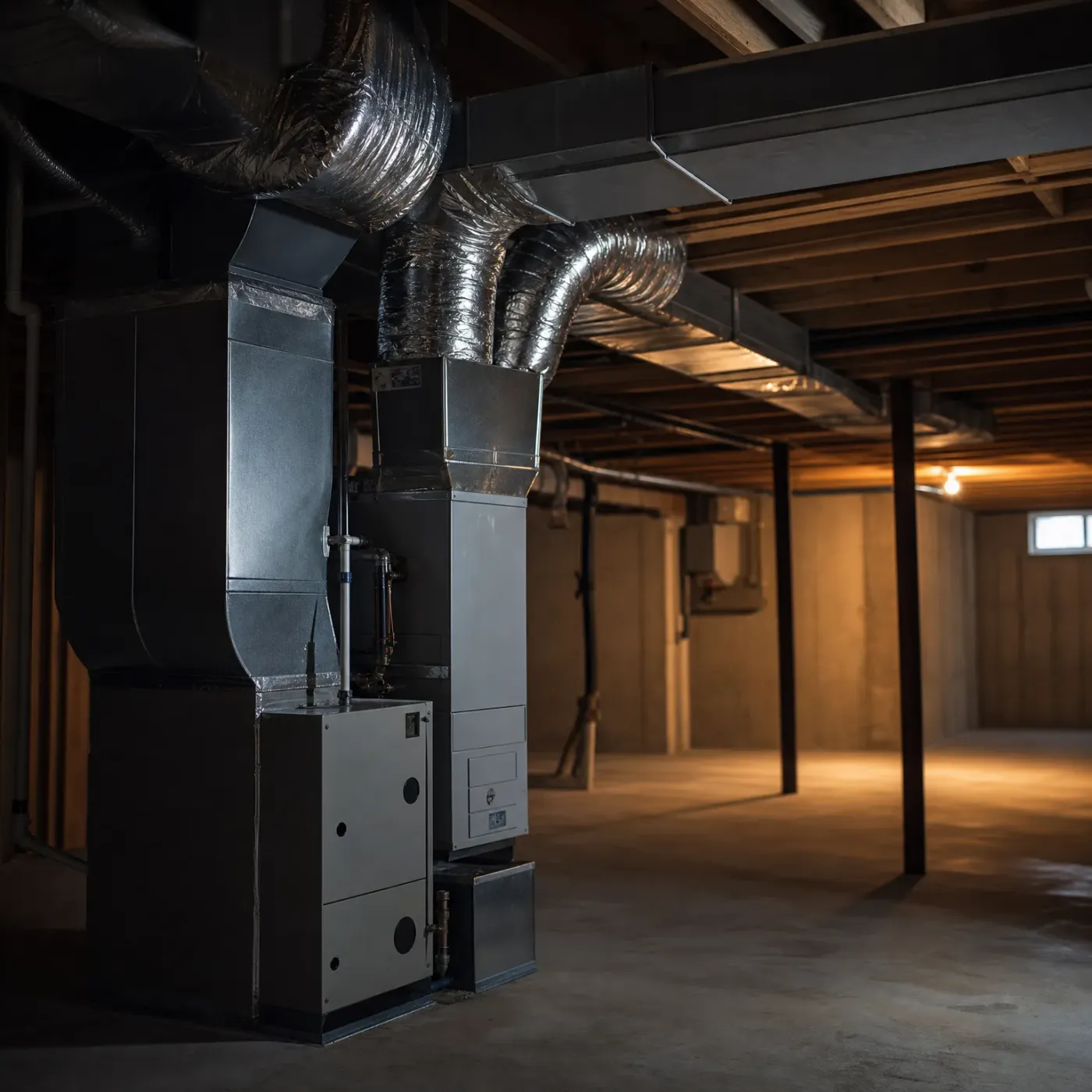
A pro who works on ducts
Duct cleaning gets pitched hard in Maryland, especially once summer humidity sets in and the system is running nonstop. Whether it does anything for your air or your electric bill depends on what's actually in your ducts, not a flat yes or no. This page gets into when it matters, and a local licensed contractor can look at your system and tell you where you stand.
Get a duct system proDuct cleaning is worth it when there's something in the ducts worth removing: dust built up thick enough to see, debris from a renovation, or signs of rodents or mold. It's not worth it as a routine service you schedule every year or two just because the system is running hard. In Maryland, summers get sticky, and a lot of homes lean on electric heat all winter, so the blower is moving air through those ducts for long stretches. That doesn't mean the ducts are dirty, it means the system works. If your filter is doing its job, most of what passes through never settles in the ductwork at all. Before paying for a cleaning, it's worth having someone look at what's actually in there. If it's dust and pet hair, a filter change handles it. If it's something else, cleaning is worth the money.
At that rate, every bit of airflow your system loses costs you more here than in most states. Clogged or blocked ducts make the blower work harder to push air through, and with most Maryland homes heating on electricity, that extra work shows up straight on your bill.
EIA-861 2025 statewide residential average
If your home had rodents, a renovation that left drywall dust in the supply runs, or a musty smell coming out of the vents, cleaning the ducts fixes a real problem. You can often see it yourself: pull a vent cover and look inside with a flashlight. If there's a layer of dust thick enough to touch, or droppings, or anything that looks like mold, that's worth paying someone to remove. The air moving through those ducts picks up whatever's sitting in them and pushes it into the rooms you breathe in. In a case like that, cleaning isn't a maintenance extra. It's the fix for a problem you can point to and describe.
If the ducts look normal, cleaning them won't lower your electric bill or make the air noticeably better. A furnace filter changed on schedule keeps most of the dust that matters out of the duct system in the first place, since the filter is what cleans the air, not the ductwork. Paying for duct cleaning on a system that's never had a leak, a pest problem, or a renovation nearby is paying to remove a small amount of dust that wasn't bothering anyone. If you're the type who checks things before they become problems, the check itself, looking at the vents, is the useful habit. The cleaning only matters once that check turns something up.
Take off a return vent and look inside with a flashlight. Thick dust, debris, or a musty smell means cleaning will do something. A light coat of dust means it won't.
A local contractor who services Maryland duct systems every summer knows what's worth cleaning and what isn't. You hear from one, not a handful fishing for the job.
Pull a vent cover and see if dust comes back fast, or if a room never seems to cool down the way the others do even with the system running. Maybe there's a musty smell when the air kicks on, or you know work was done on the house and nobody covered the vents. Those are the signs that mean something. A little dust on the register, or a bill that's high because it's August and the AC is running most of the day, isn't one of them. If what you're noticing is a smell, visible debris, or a room that's fallen behind, it's worth having someone look before the dust or moisture sitting in there gives mold or pests a place to settle in.


The pro who reaches out is licensed in Maryland.
Your duct cleaning request goes to a local pro who does this work.
You're not committing to anything by asking.
You've pulled a vent cover, maybe seen enough dust to make you call someone, and now you want to know what actually happens when a crew shows up. Is it a shop vac in each room, or something more involved? Knowing the real process helps you tell a thorough job from someone running a hose through two vents and calling it done.
A proper cleaning starts with a powerful vacuum connected to the main trunk line, strong enough to pull air through the whole system at once. The contractor then goes vent by vent, using a brush or an air whip to knock dust and debris loose from the inside walls of each duct so the vacuum can carry it out. The supply runs, the return runs, and the plenum near the furnace all get worked this way. A thorough job also checks the coil and the blower housing, since dust collects there too. If a crew only vacuums from the vent openings without agitating the ducts first, most of what's built up further in stays put.

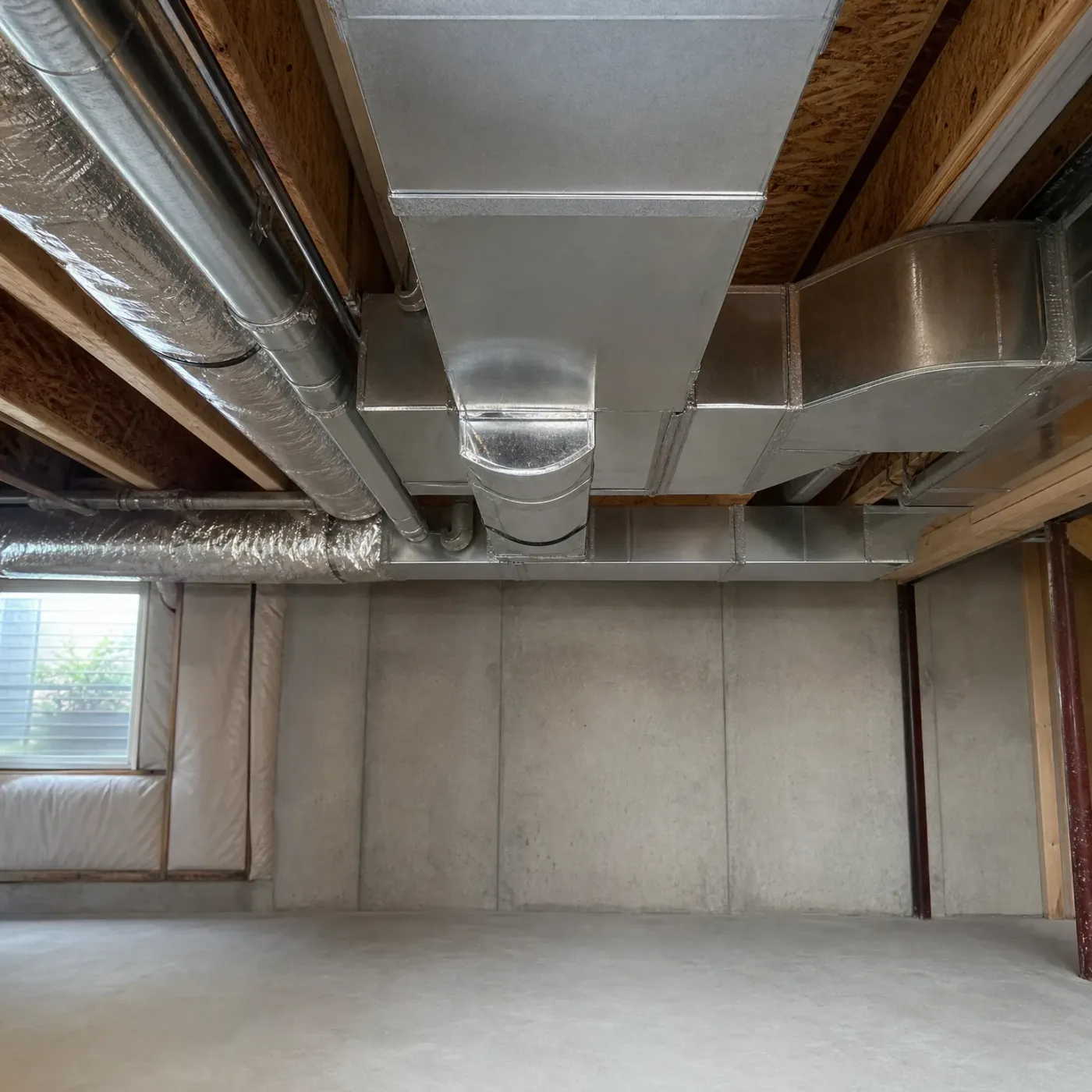
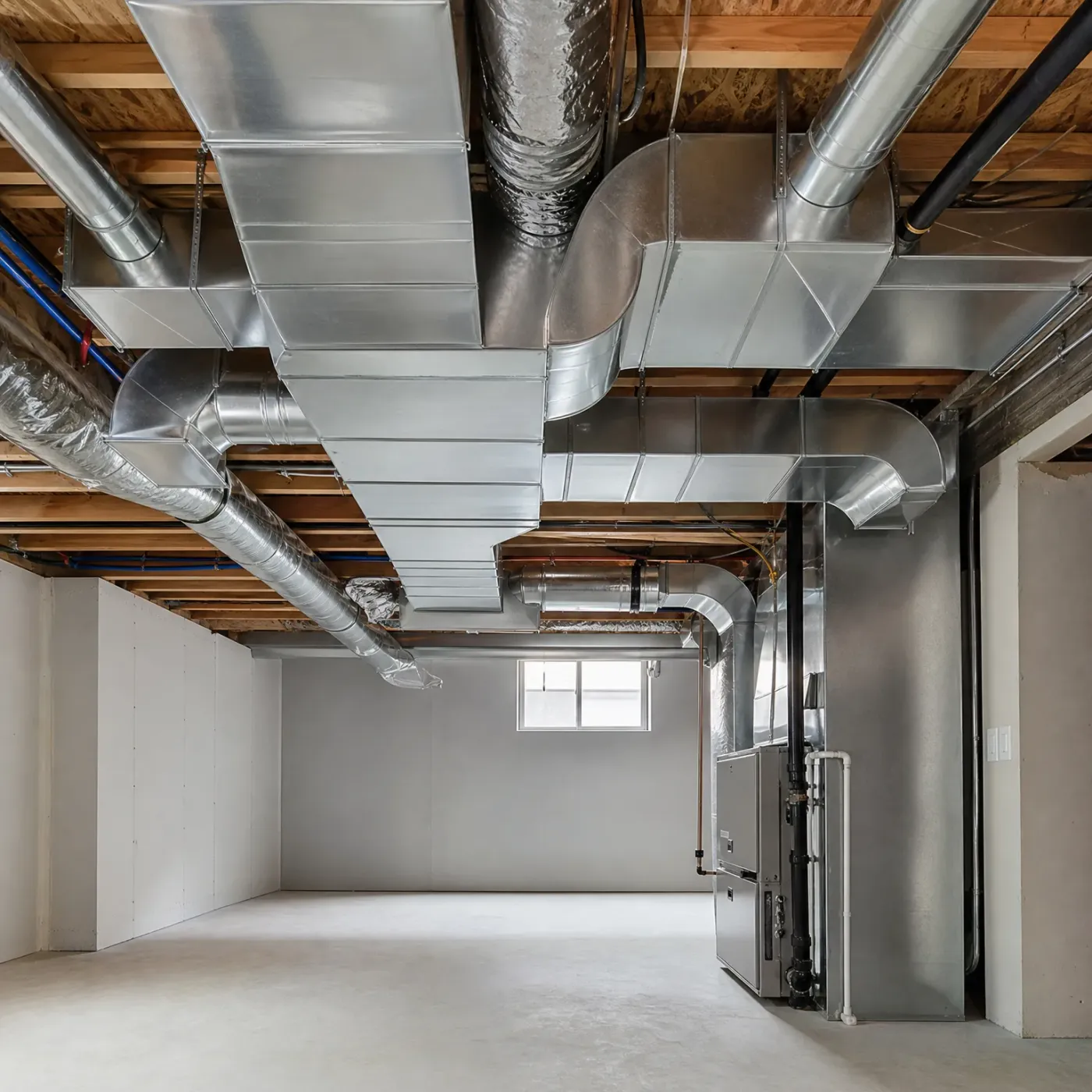
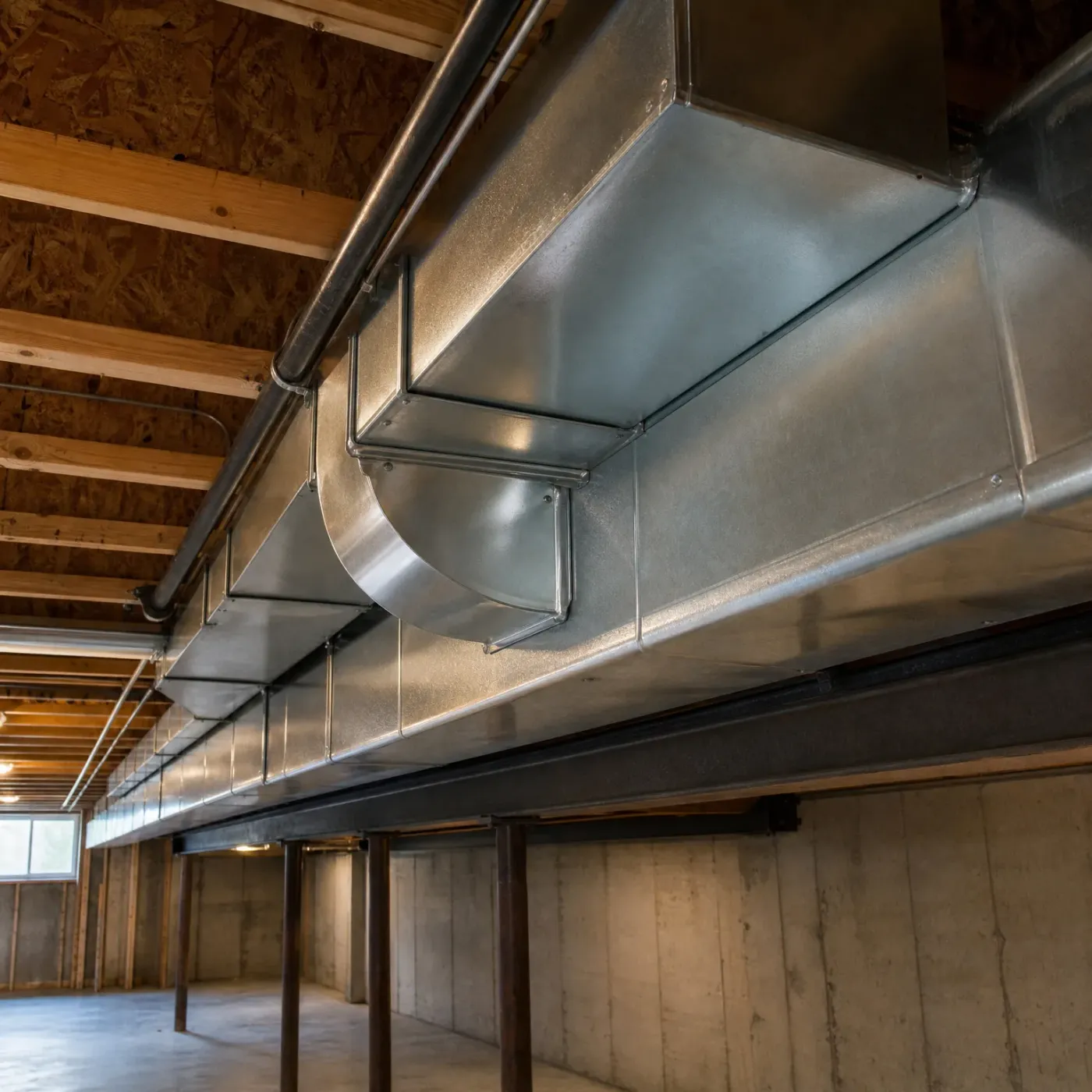
Galvanized duct and spiral pipe running clean across the joists, feeding air the way the system was designed to. No debris sitting in the plenum, no dust ringing the seams. Air moves through at full strength, and the blower doesn't have to work past it.

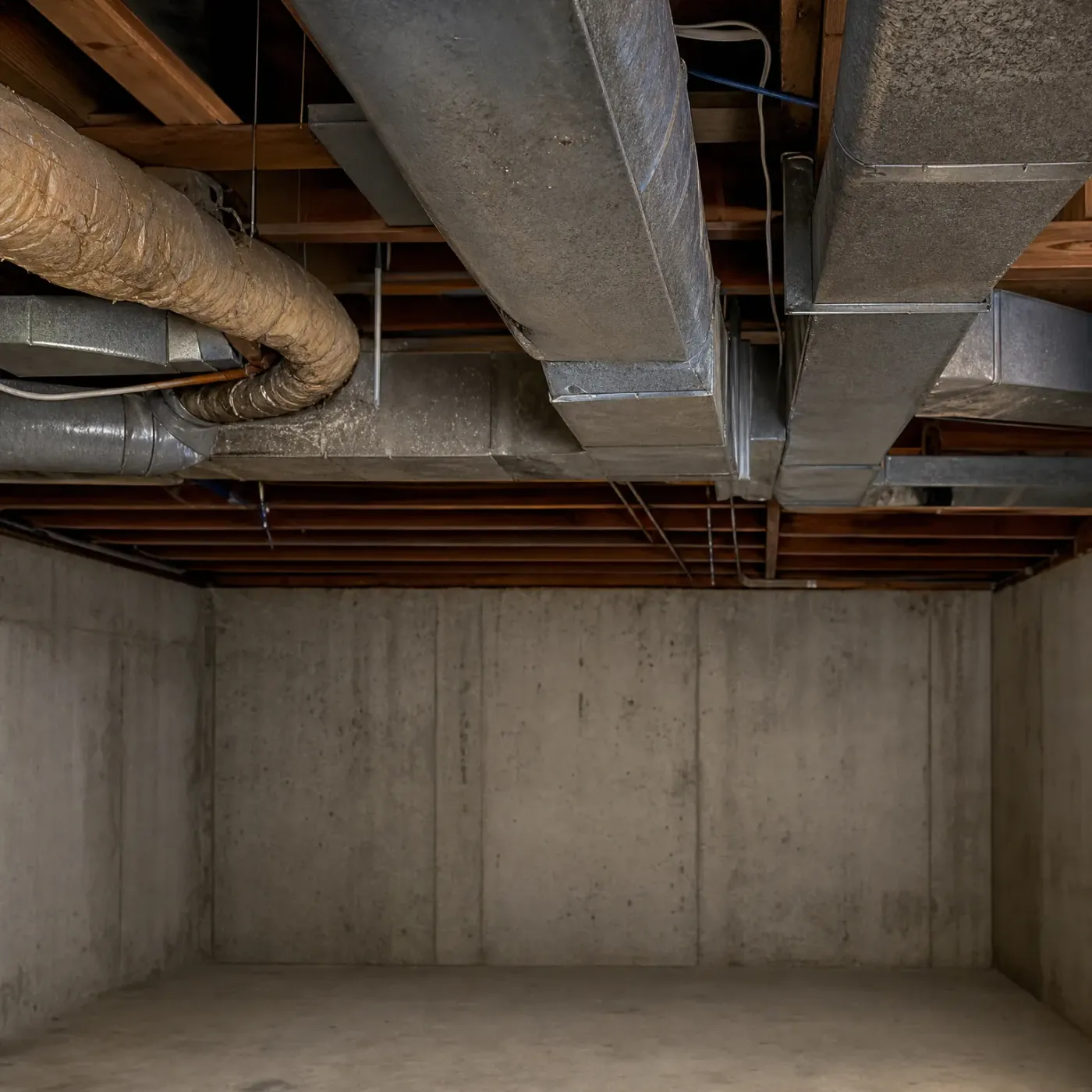
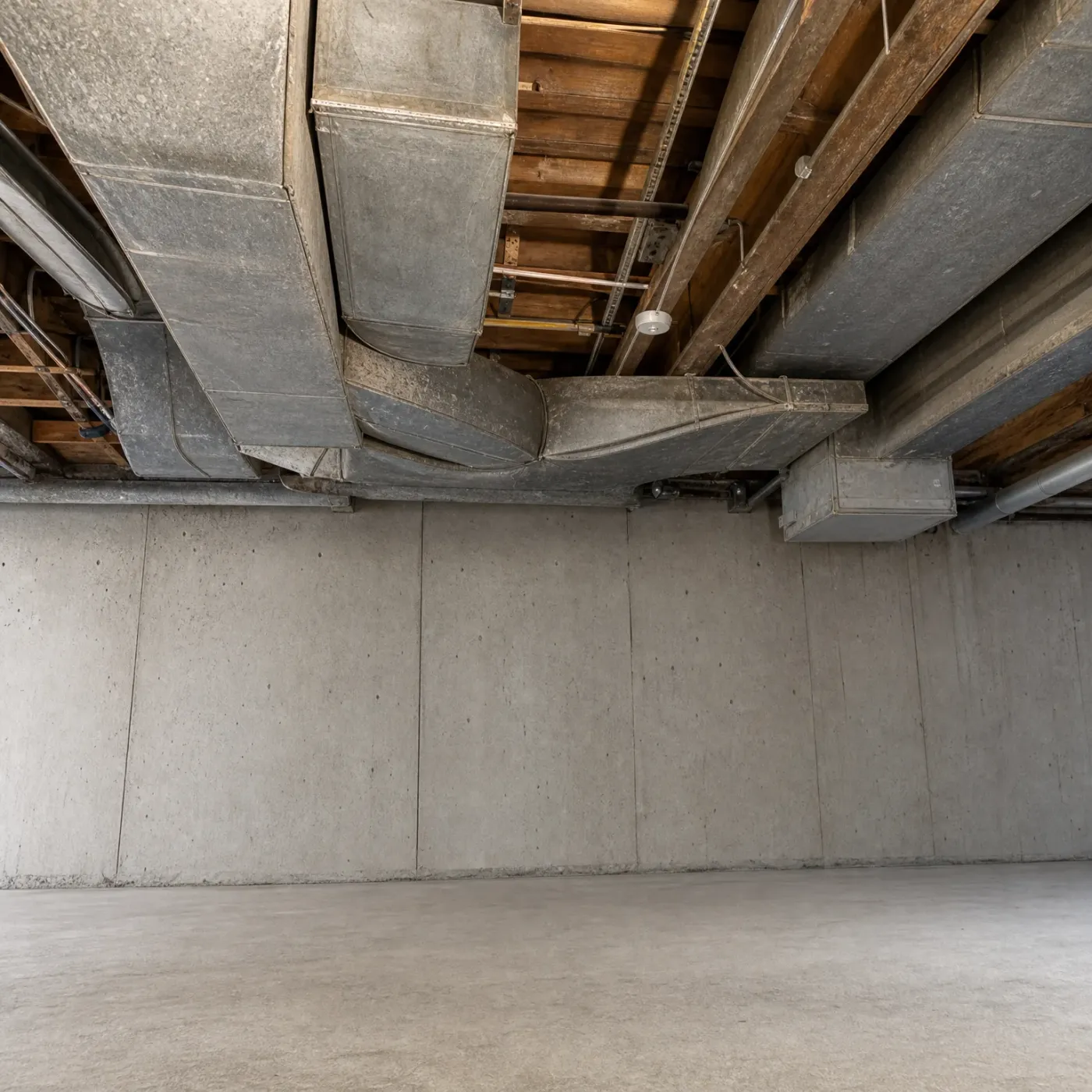
Same kind of run, but something's built up inside where you can't see it from the floor. Drywall dust from a renovation, signs rodents got in, or a musty smell pushing out of the vents. That's duct sitting between you and the air your system paid to condition.

It's worth it when you've found a reason, not because a flyer or a postcard told you two years is up. Thick dust in the return, debris from a renovation, a musty smell when the air kicks on, signs that something got into the ducts. Pull a vent cover and you'll know which situation you're in. If it's clean in there, save your money. If it's not, cleaning will fix what's actually wrong, and with electric heat and Maryland's rates, a duct system that isn't fighting itself is worth something real on the bill.
If you've found a reason to get it done, the next step is getting someone out who can look at what you're dealing with. A contractor working ductwork in Maryland homes all summer has seen what a renovation leaves behind and what a rodent problem looks like from the inside, and knows the difference between dust that needs a real cleaning and dust that doesn't. You'd be matched with one contractor, local and licensed, who takes it from there.





Matched to your ductwork job
Only one pro gets your request, so you hear from one company.
