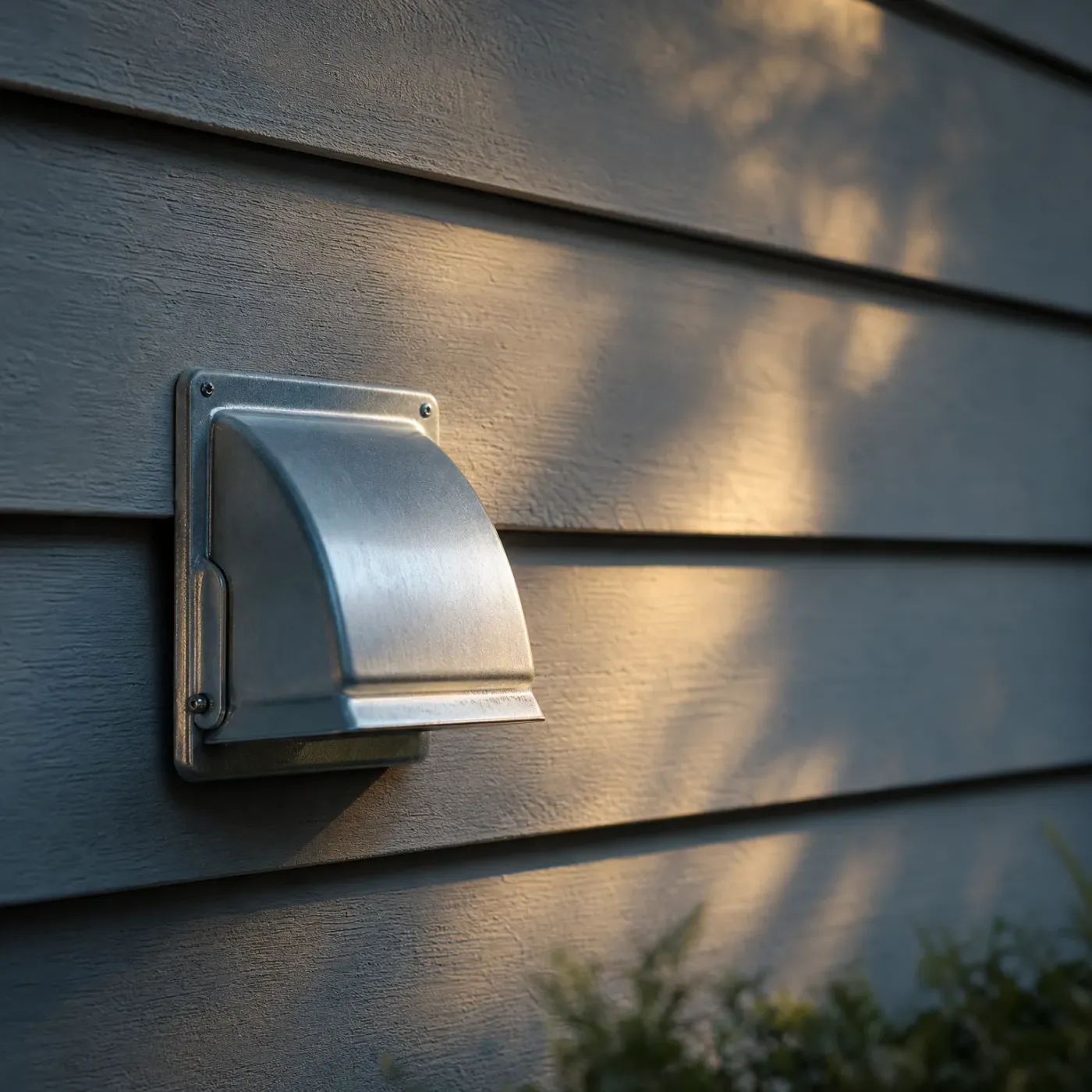
A metal hooded dryer vent cover screwed to gray horizontal lap siding, with warm late-day light and leaf shadows across the wall and green shrubs at the lower right.

A local pro for your dryer vent cleaning

Birds nesting in a dryer vent in Bowie, MD

Birds build fast, and a dryer vent hood gives them a sheltered spot right off the ground. Once a nest is packed in there, your dryer has nowhere to push the air it pulls out, which changes how it dries and how hard it has to work. This page gets into how to tell a vent is blocked and what clearing it involves, and can connect you with a local contractor who handles this kind of cleaning.

Get my match

A dryer vent hood with a loose or missing flap is an open invitation to birds looking for a sheltered spot to nest, and spring is when they build. Once feathers and twigs pack the duct, the air your dryer pushes out has nowhere to go. Clothes take longer to dry, the dryer runs hotter and longer to finish a load, and lint that would normally blow outside backs up inside the duct instead. That buildup against a heat source is a fire risk, which is why this isn't something to leave alone until next season. In Bowie, where humidity sits high through summer, a blocked vent also means more moisture stays trapped in the duct and the laundry room rather than venting outside. If your dryer is taking two cycles to do what used to take one, or you hear scratching or chirping near the vent, the nest is likely already built and needs to come out.

A white plastic louvered dryer vent hood mounted on beige horizontal lap siding above a concrete foundation wall bordered by gravel.

Clear and open

The flap sits closed against the hood until the dryer kicks on, then swings open and lets the air out. No twigs caught in the hinge, no feathers pushed up against the siding. Air moves out as fast as the dryer pushes it, so a load of towels dries in one cycle like it should.

A dusty white plastic dryer vent hood with lint-clogged louvers mounted on beige horizontal vinyl siding above a concrete foundation wall and a bed of rounded gray rocks.

Packed with a nest

Twigs and lint are jammed into the hood where the flap used to swing free. The dryer is still pushing air into that duct, but now it has nowhere to go. Loads take two or three cycles to dry, and the lint building up behind that nest is what turns a clogged vent into a house fire.

Is a bird's nest the reason your dryer vent is clogged?

A load that used to take forty minutes now runs an hour or longer, sometimes with a second cycle just to get clothes dry. You might catch a burnt or musty smell when the dryer is running, or notice the vent hood outside is warm to the touch instead of blowing air out. Some homeowners hear scratching or chirping near the wall where the vent runs, especially in spring when birds are building. The laundry room may feel warmer and more humid than it should. Left alone, a packed vent keeps heat and moist air from leaving the house, and that moisture has nowhere to go but back inside.

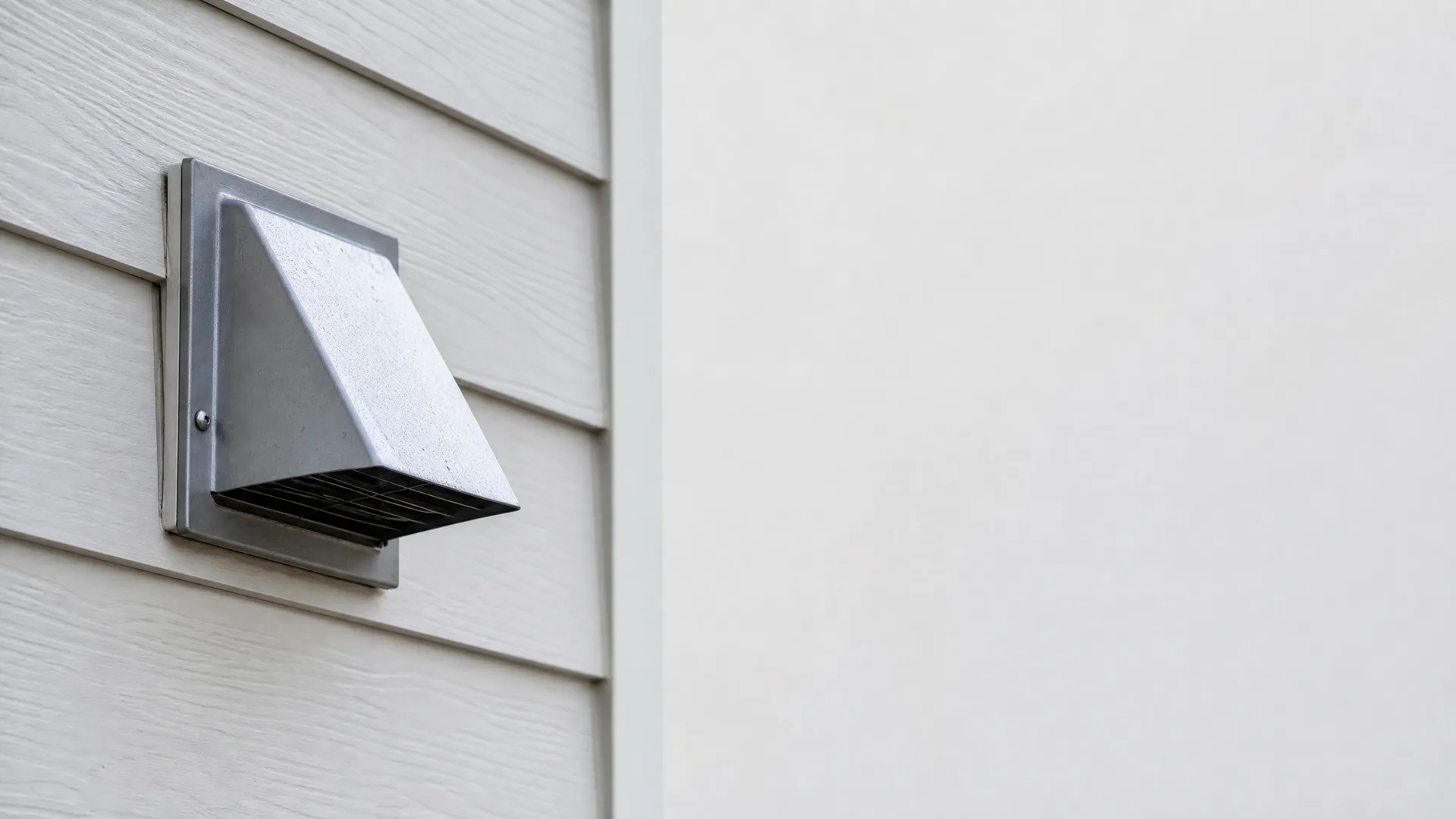
A metal hooded exterior vent cover with louvered underside mounted on light gray horizontal lap siding, next to a plain pale wall at an outside corner.

Why spring is nesting season

House sparrows and starlings start looking for a cavity to build in as early as March, and a dryer vent hood sitting a few feet off the ground is exactly the kind of spot they look for. It is dry, it is sheltered from wind and rain, and nothing bothers it once the dryer sits idle for a few hours. By the time a load of laundry goes in, the nest is already built around the duct opening.

A white hooded dryer vent cover screwed to beige horizontal lap siding on an exterior wall corner, with a blank wall surface at left.

What a blocked duct does to the dryer

A dryer does not just heat the air, it pushes a set volume of it out through the duct with every cycle. When a nest blocks that path, the moist air has nowhere to go, so it backs up into the duct and the drum. The heating element or burner keeps running longer to make up for it, and the lint that would normally blow outside starts collecting inside the duct instead.

How do I know if birds built a nest in my dryer vent?

You've noticed the dryer running longer than it used to, maybe a musty smell, and you're wondering if something's actually stuck in the vent rather than just lint buildup. With spring nesting season underway in Bowie, a bird's nest is a real possibility, and there are a few signs that point to it specifically rather than ordinary lint.

Check the vent hood outside for twigs or feathers poking out

Walk outside to where the vent hood sits, usually low on an exterior wall near the dryer. If the flap won't close all the way, or you see twigs, grass or feathers caught in the hinge, that's a nest, not lint. Lint buildup happens gradually and mostly stays inside the duct. A nest shows itself at the hood, often blocking the flap from sitting flat. You might also hear scratching or chirping near that wall, especially in the morning. Inside the house, the signs overlap with a clogged vent generally: longer dry times, a hot laundry room, a burnt smell. But a flap that won't shut, or visible nesting material at the hood, points straight to a bird.

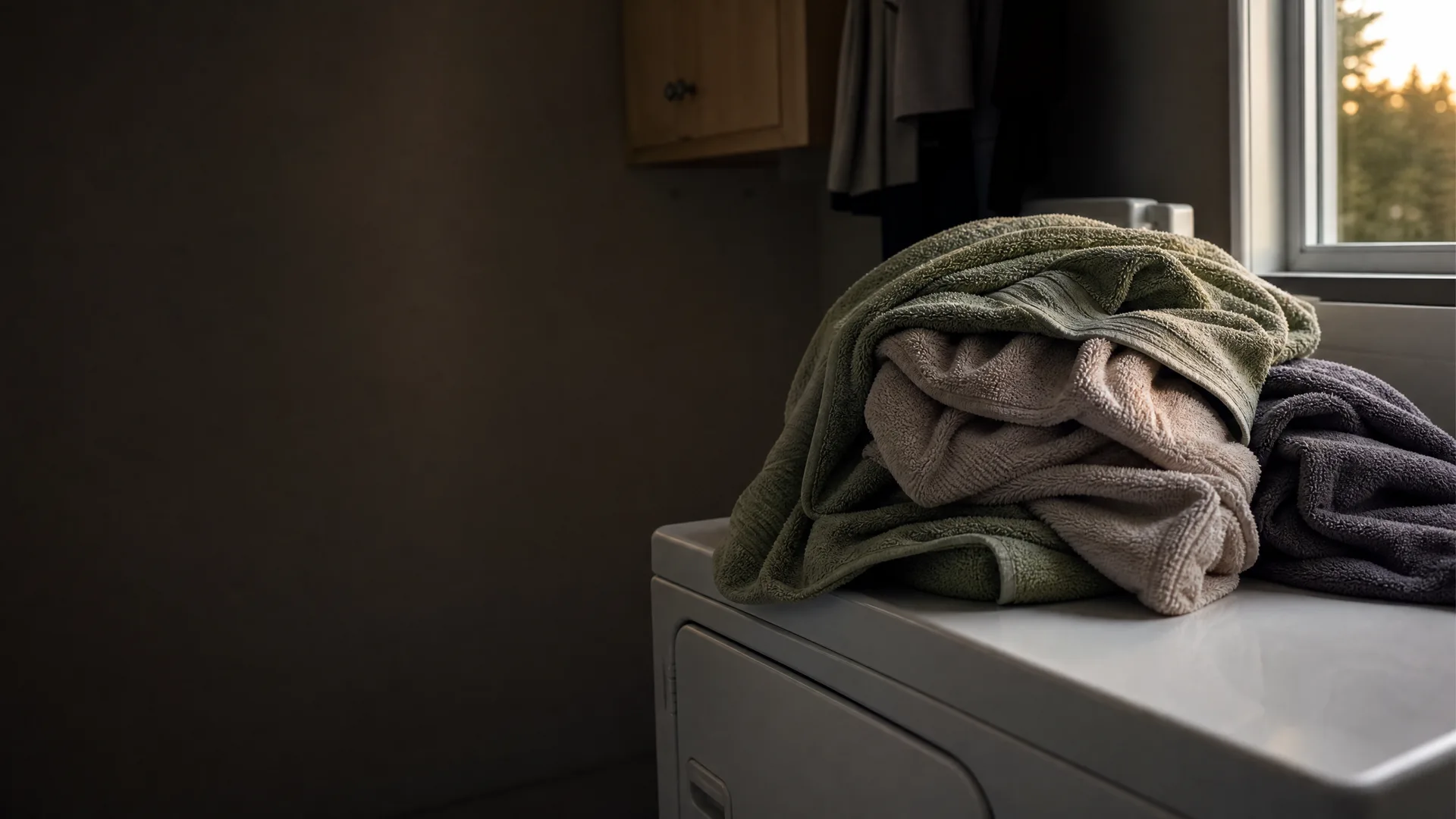
A pile of folded green, beige, and gray towels sits on top of a white washer or dryer in a dim room beside a window with trees outside.

It's almost eight on a Tuesday and you're still in your work clothes, pulling a load of towels out of the dryer because the buzzer finally went off on the second cycle. They're not dry. Warm, a little damp at the seams, with that musty smell you've been noticing all week. You pile them on top of the dryer and stand there a second, listening to it hum like it's working harder than it should. Outside, past the siding, a few feet off the ground, the vent hood has had its flap propped open for weeks. You haven't looked at it yet. Prince George's County is already warming up, and so is whatever built in there.

Get the right pro for your dryer vent

Your dryer vent cleaning request goes to one local pro.

Asking costs nothing, and the choice to hire stays yours.

Clean it out and move on. A contractor clears the nest, checks that the flap still swings free, and the dryer goes back to venting the way it did before. Most of the time that's the whole job.

Leave it, and it gets worse before it gets better. More nesting material means more heat and moisture with nowhere to go, and a dryer working that hard for months is the one more likely to need a repair call later, not just another cleaning.

Who's actually relying on that dryer vent staying clear?

  • 2.7 people per household on average

    With 2.7 people in the average household here, that's a family's worth of laundry running through the vent most days, so a blocked one gets found fast.

  • Half the homes here were built by 1977

    Half the homes in Prince George's County were built in 1977 or earlier, and vent runs from that era tend to be longer or metal duct that already slows airflow before a nest adds to it.

  • Power here costs 20.91 cents per kilowatt-hour

    At 20.91 cents per kilowatt-hour, a dryer working harder against a blocked vent costs more to run every single load, not just the one that finally buzzes you twice.

ACS 2020-2024 · EIA-861 2025

A white hooded dryer vent with a square screwed-on flange mounted on gray horizontal lap siding, above a concrete foundation wall edged with gravel stones.

Working the way it should

Four screws hold the hood flat against the siding, and the flap hangs loose below it. When the dryer runs, air pushes the flap open and out it goes. Nothing is nesting in a hood that stays flush against the wall like this one.

A lint-clogged hooded dryer vent mounted on light gray horizontal lap siding above a concrete foundation wall.

Packed with a nest

Lint has built up thick around the opening, and the flap sits stuck open instead of swinging shut between loads. That gap is what let something build a nest inside in the first place, and now the dryer is pushing air into a duct that can't clear it.

A gray-haired bearded man in a dark snow-dusted coat and scarf stands inside a dimly lit home entryway, with a hallway, framed picture, lit table lamp and staircase behind him.
An older man with gray hair and a beard, wearing a dark snow-dusted coat, stands in a warmly lit home entryway with a hallway, console table with lamp, patterned rug, and living room visible behind him.
An older man with gray hair and a beard, wearing a dark coat dusted with snow and a blue plaid scarf, stands smiling in a dimly lit entryway with a window, framed picture, table lamp and staircase behind him.
A gray-haired man in a dark coat dusted with snow stands in a warmly lit home entryway, with a lamp, sofa, window and white staircase banister behind him.

Pulling the nest out is only part of the job. A contractor works a brush or rod in from both the hood end and the dryer end, since packed nesting material often won't break up from one direction alone. The flap gets checked next, because twigs and feathers can bend the hinge so it hangs open or sticks shut, and a flap that doesn't close is how the next nest gets started. Where the duct meets the hood gets a look too, since a gap in that seam is usually what let the birds in the first place. Lint left behind a nest holds moisture, so the duct can stay damp for days even after the debris is gone, which matters if there's any sign of mold or rust starting. On a straight run to the hood, this clears in minutes. If the duct has elbows or runs a long distance, it takes longer to work all the way through, and the contractor will tell you which kind of run you have.

What clearing the vent actually involves

  • A cleared vent still needs the flap checked, since nest material often bends the hinge so it hangs open or sticks shut.
  • Lint trapped behind a nest holds moisture, so the duct can stay damp for days after the birds and debris are gone.
  • A contractor runs a brush or rod from both ends to break up packed nesting material rather than pulling from one side only.
  • The run gets checked for gaps where the duct meets the hood, since that seam is often what let birds in to begin with.
  • Screens are not fitted over the hood opening, since mesh tight enough to stop birds also catches lint and chokes the vent again.
  • A straight duct run clears in minutes, but one with elbows or a long distance to the hood takes longer to work all the way through.
A woman wrapped in a thick cream knit blanket sits in a chair with an open book on her lap, beside a lit table lamp and a frost-covered window at night.
An older woman with grey-blonde hair in an updo and a beige turtleneck sweater smiles while looking to the side in a warmly lit kitchen, with a round loaf of bread on the counter in front of her and a dark window showing snow outside.

Call now, before the next load

A contractor local to Bowie clears the nest, checks the flap, and gets the vent pushing air the way it did before. One company, one visit, no round of calls to sort through.

Get a licensed local pro

Wait and run another cycle

The dryer keeps pushing damp air into a blocked duct. Nesting material packs in tighter, lint holds moisture behind it, and the next load runs as long or longer than this one did.

Get a licensed local pro

2.7 people per household on average

At 2.7 people, most households here run a load most days, so a blocked vent gets noticed within a cycle or two, not weeks later. That's good in a way: nobody in a house that size can ignore a dryer that suddenly takes twice as long.

ACS 2020-2024

The vent, cleared and working

  • A nest in the vent hood blocks the flap from swinging open, so the dryer pushes air against something solid instead of outside.
  • Longer dry times, a musty smell, and a flap that will not close flat are the three signs that the vent is the problem.
  • A contractor who works on vents across Prince George's County all spring knows where nests pack in and what a bent flap hinge looks like.
  • One licensed local contractor handles the clearing and the flap check in a single visit instead of several companies calling about the same job.
  • Left alone, a packed vent holds moisture against the duct and makes the dryer run harder for the same load.
  • Clearing the nest and confirming the flap swings free again is usually the entire job, start to finish.

A dryer vent with a bird's nest in it comes down to one thing: the flap can't swing open, so the air has nowhere to go. That shows up as longer dry times, a musty smell, and a flap that sits open or won't close flat against the siding. Those three signs together mean the vent, not the dryer itself, is the problem.

Clearing it is usually straightforward. A contractor pulls the nest material out of the hood and duct, checks the flap hinge for damage, and confirms air moves freely again once the dryer kicks on. Most jobs end there. Left alone, the nest holds moisture against the duct, the dryer works harder to push the same load of air, and the damp buildup behind the blockage does not clear on its own.

What matters at this point is who does the clearing. Someone who works on vents across Prince George's County through the spring has seen where nests pack into a hood like this one and knows what a bent or stuck flap looks like before they even get the cover off. That's different from someone guessing at a problem they have not run into before.

You get matched with one licensed local contractor, not a handful of companies competing for the job. They come out, clear the nest, check the flap, and leave the vent pushing air the way it did before the birds found it. That is the whole job for most homes in Bowie this time of year.

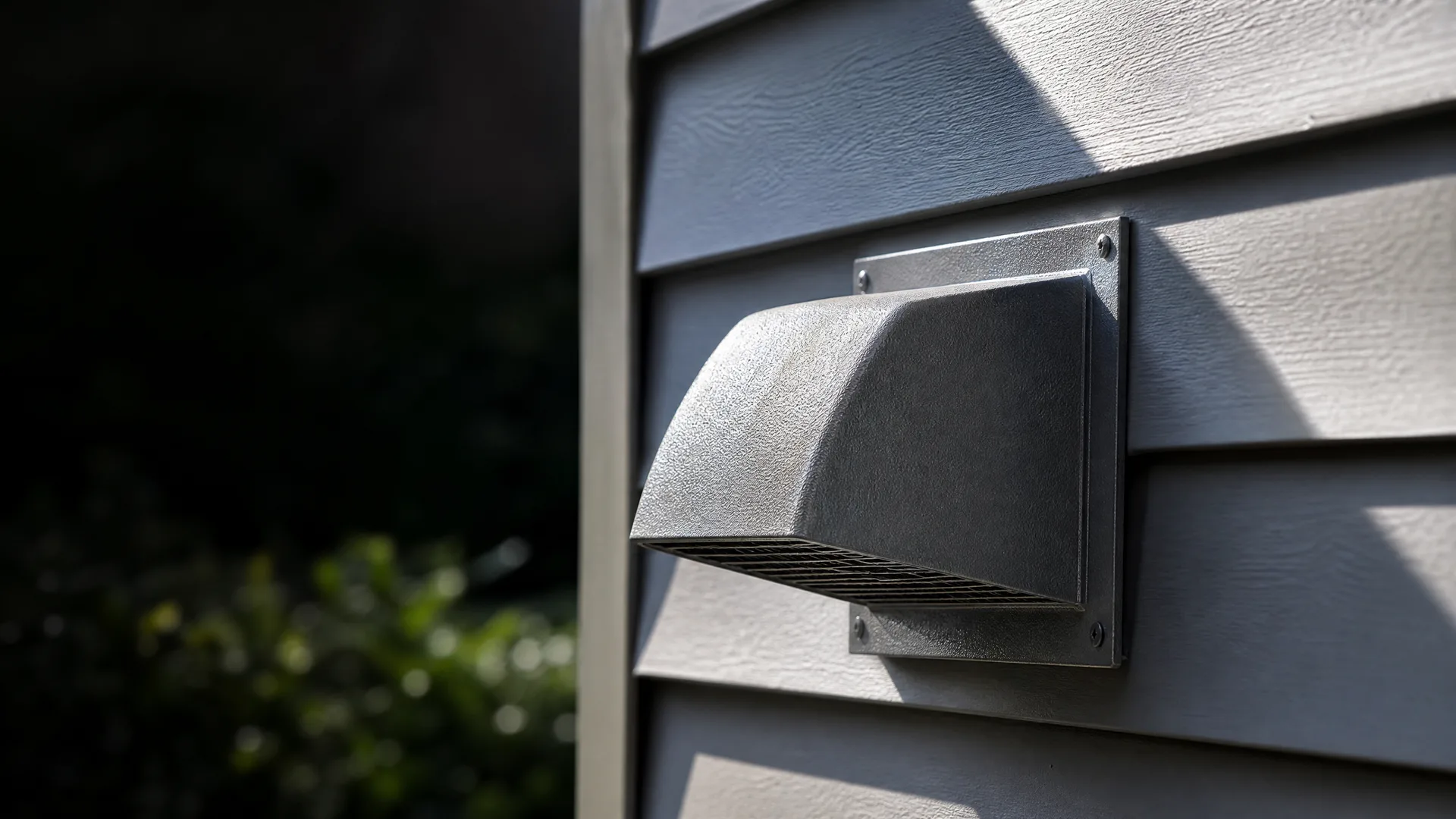
A metal hooded wall vent with a louvered opening mounted on gray horizontal lap siding, with green shrubbery blurred in the dark background.

Get your dryer vent to the right pro

Duct and vent cleaningPrince George's County, MD
Step 1 of 3

What kind of equipment?