Clear vent, hot air moving
Air comes out of the hood fast enough to flutter the louvers, and the flap closes most of the way when the dryer shuts off. Each load finishes in one cycle. Nothing warm lingers inside the duct after you're done.
 Get a dryer vent pro
Your request goes to a Montgomery County pro who takes dryer vent jobs.
Yes. A clogged dryer vent is one of the most common causes of house fires in the country, and lint is the fuel. Every load of laundry leaves some behind, and it builds up inside the vent where you can't see it, not just in the trap you clean out after each load.
A dryer pulls hot air through that vent on every cycle. When the path is blocked, the heat has nowhere to go. It backs up into the dryer itself, around a heating element that's already working hard. Lint catches fast at that temperature.
A clogged vent also makes your dryer run longer to dry the same load, and in a county where power costs what it does, that adds up on a bill you're already watching. But the bigger issue is what you can't see from the laundry room. A vent that runs through a wall or up through the attic, the way a lot of them do, hides a clog completely until something goes wrong.
You don't have to guess at the risk or climb up to check the roof cap yourself. Answer a few questions about your dryer and your vent setup, and you'll be matched with a contractor who handles vent cleaning in the Gaithersburg area. They'll reach out to you directly to look at what you actually have, rather than you spending the afternoon tracking someone down.
Once you send the form, that search is off your plate. You're not the one calling around anymore. The contractor who gets in touch will already know what you're dealing with, because you'll have told them, and they can tell you what they find once they're looking at your vent instead of guessing over the phone.
You run the dryer a few times a week and clean the lint trap every time, so the idea that the vent itself could start a fire feels like a stretch. But the warnings keep coming up, and you want to know if this is a real risk in your house or just a scare tactic.
The trap catches most of the lint, not all of it. What gets past it rides the airflow down the vent and sticks to the inside of the duct, especially at bends and joints. Over time that buildup narrows the path the air has to travel. A dryer working against a blocked vent runs hotter than it should, and heat with no way to escape is what turns lint from a nuisance into fuel. This isn't about how often you clean the trap. It's about what's built up in the vent itself, often over years, where you can't see it and have no way to check without pulling the duct apart or having someone inspect it.
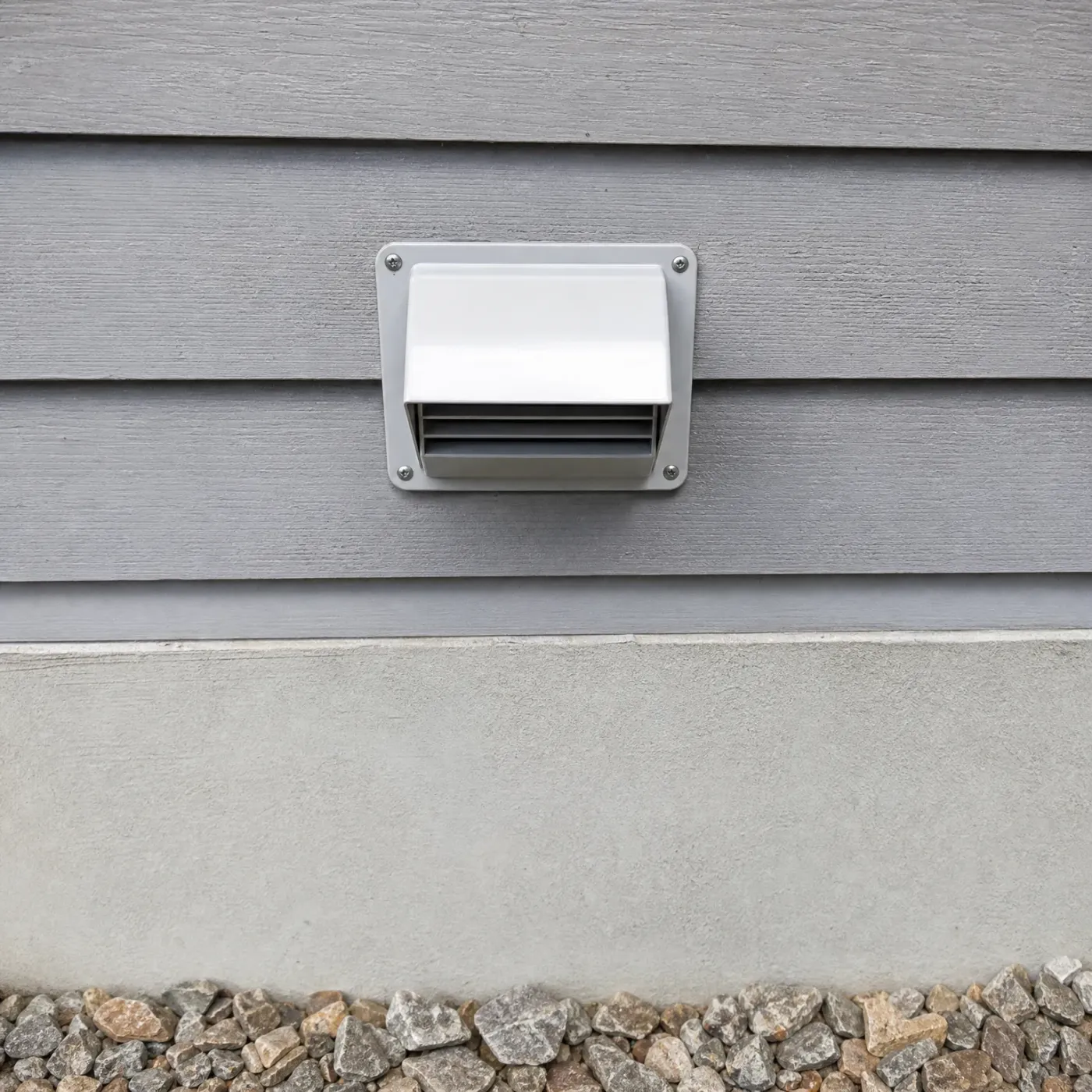
Air comes out of the hood fast enough to flutter the louvers, and the flap closes most of the way when the dryer shuts off. Each load finishes in one cycle. Nothing warm lingers inside the duct after you're done.
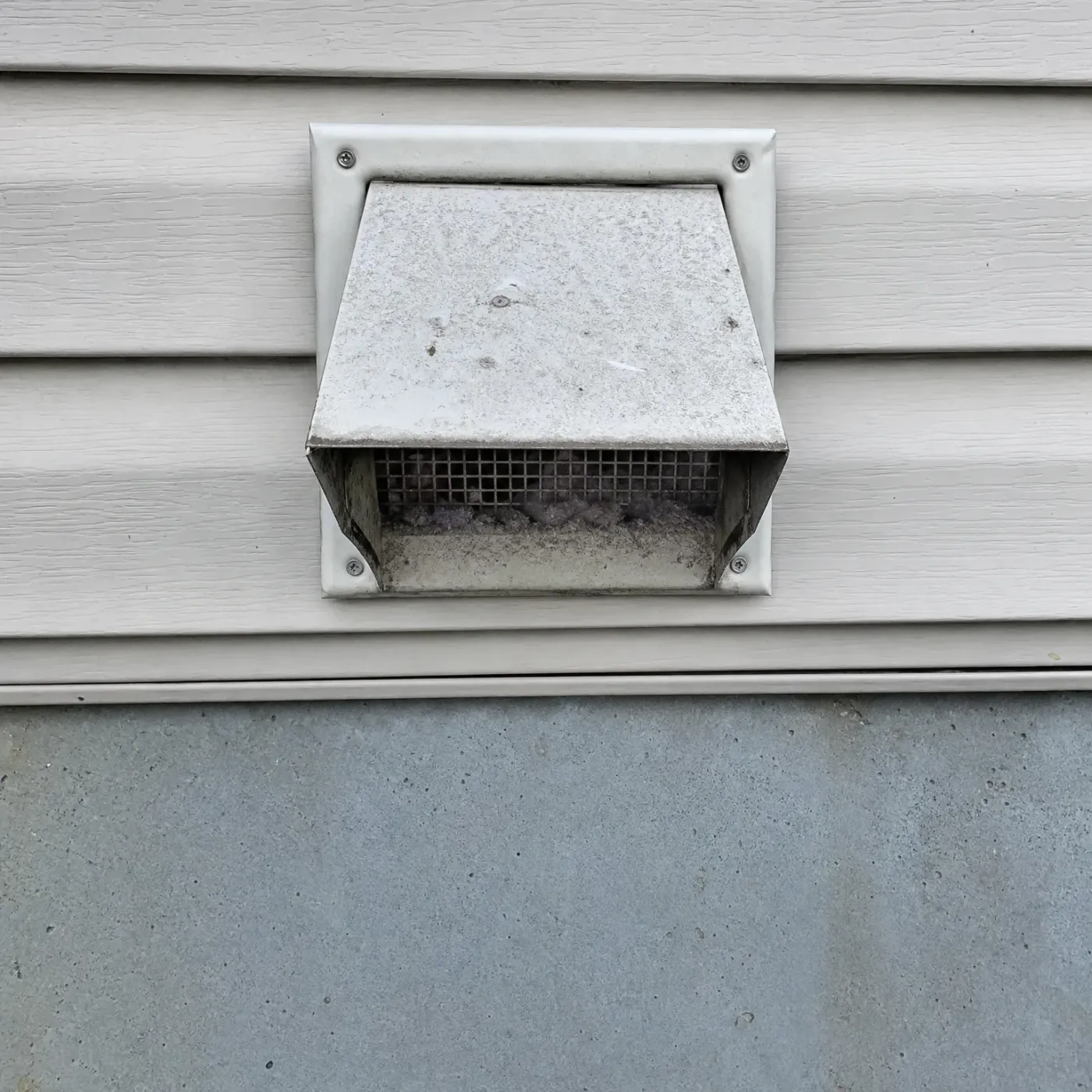
Here the hood itself is caked in lint, so little air can get through at all. The dryer runs hotter and longer trying to push air out, and that heat has nowhere to go but back into a duct full of fuel.
2.72 people per household on average
With 2.72 people in the average Montgomery County household, the dryer is running most days, and every one of those loads pushes more lint into the duct.
Half the homes here were built by 1980
Half the homes in the county were built in 1980 or earlier, which means the vent run itself has had decades to collect lint if it's never been cleaned out.
Power here costs 21.03 cents per kilowatt-hour
At 21.03 cents per kilowatt-hour, a dryer working harder to push air through a clogged vent shows up on the bill before anyone notices the fire risk.
ACS 2020-2024 · EIA-861 2025




Send the form and the dryer vent cleaning stops sitting on your list.
No charge to send it. You decide if you hire them.
Lint is cotton and polyester fiber, and both burn easily once they're dry and loose, which is exactly their condition inside a vent. The igniter or burner cycles on every few minutes during a cycle, pushing air past 130 to 150 degrees through the duct. That's not hot enough to matter in a clear vent, since the air keeps moving and carries the heat straight outside. In a clogged one, airflow slows down and heat has nowhere to go, so it sits against the lint instead of passing it by. That's the combination a fire needs: fuel that's already there and heat that now has a reason to linger.
A clogged vent doesn't just slow the air leaving the house, it backs up into the dryer drum and the heating element. The thermostat that's supposed to cycle the heat off reads a hotter exhaust path than it was built for, and it has to work harder to push air through a narrowing duct. Some dryers respond with a longer cycle, some with a burning smell, some with a thermal fuse that trips and shuts the unit down. None of those are the vent working as designed. They're signs the duct is restricting airflow enough that the dryer is running outside the conditions it was built for.
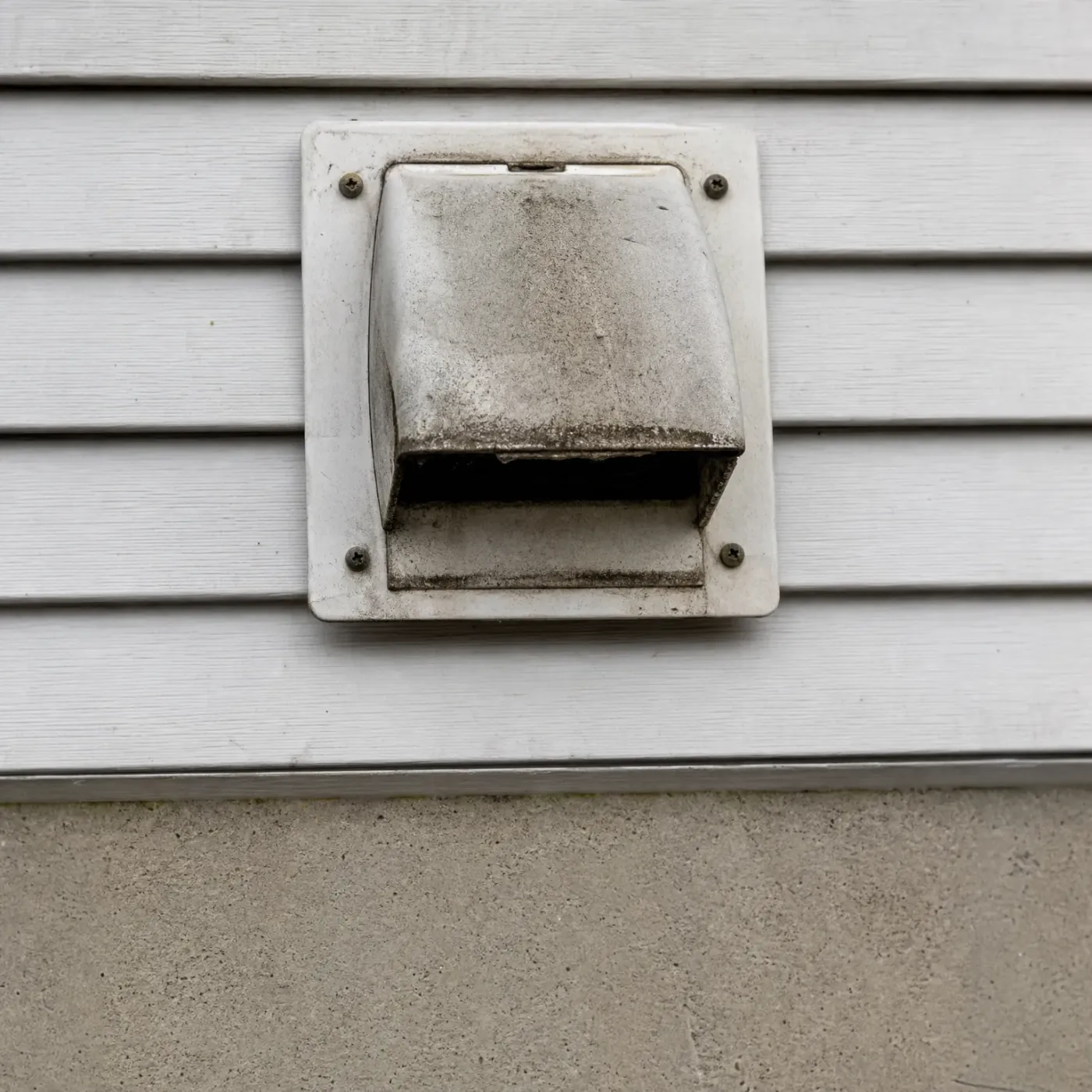
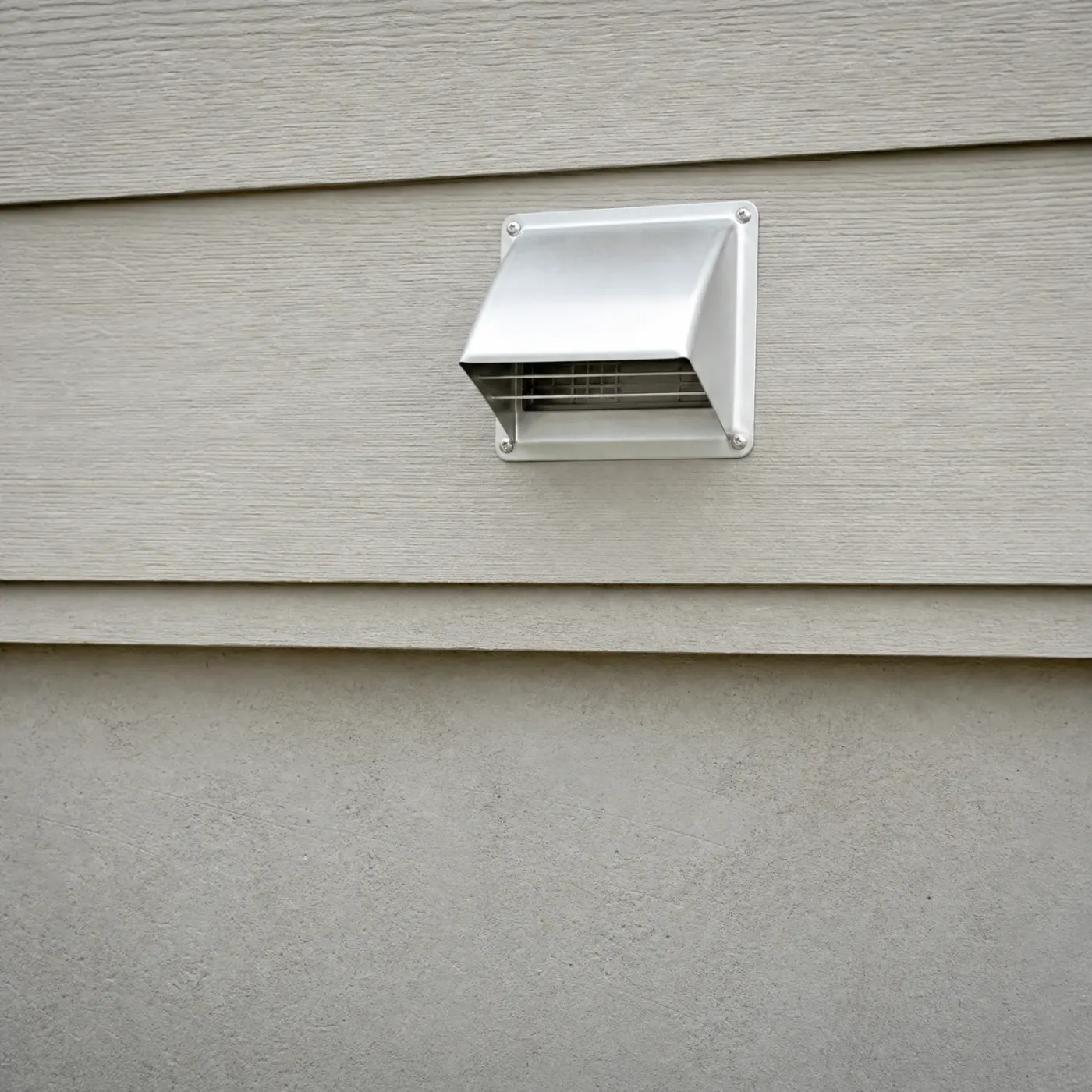
A clear vent moves hot, damp air out of the house every time you dry a load. Nothing stays behind to dry out and build up between one wash day and the next.
A blocked vent traps lint and heat together with no way out. That's the combination behind most dryer vent fires, and you won't see it building up from the laundry room.
A load that used to finish in one cycle now takes two or three to actually dry. The top of the dryer feels warm, sometimes hot, to the touch. The laundry room smells faintly hot or stale even after you've wiped it down. Outside, the vent hood barely moves when the dryer is running, or the flap doesn't lift the way it used to. You might find lint collecting around the hood itself, or notice the towels still feel a little damp coming out of the machine. On their own, any one of these seems minor. Together, they mean hot air isn't leaving the house the way it's supposed to, and that heat is building up somewhere in the duct behind your wall instead of outside where it belongs.

It's a little after seven on a Tuesday and you're still in your work clothes, pulling the second load of towels out of the dryer because the first one didn't finish. They're warm but not dry, heavy in your arms, and you drape them over the top of the machine to deal with after dinner. The dryer ticks as it cools. Outside it's humid, the kind of Montgomery County evening where the air doesn't move much, and the laundry room holds onto the heat from the cycle longer than it used to. You reach over to restart the load and notice the top panel is hot enough that you pull your hand back.




A dryer vent cleared of lint lets the dryer shut off once the clothes are dry, usually within a single cycle, and the air leaving the hood stays close to room temperature within a few minutes after the cycle ends.
A dryer vent packed with lint holds that heat inside the duct long after the cycle ends, against fiber that catches easily once it dries out, which is what turns a clogged vent into a fire risk instead of just a slow dryer.
With 2.72 people in the average household here, that dryer is loaded most days of the week, not once in a while. Every one of those loads sends more lint into the vent. More loads means the buildup happens faster than a household running one or two a week.
ACS 2020-2024
A clogged dryer vent is a real fire risk, not a worst-case story. Lint builds up where you can't see it, the dryer runs hotter and longer than it should, and the heat has nowhere to go. That is true in every house in Gaithersburg that runs a dryer a few times a week, which is most of them. You don't have to guess whether yours is one of them. If loads are taking longer, if the top of the dryer feels hot, if the laundry room smells warm after a cycle, the vent is telling you something. Once you send the form, you're done hunting for someone to call. A contractor who serves Gaithersburg gets your details and reaches out to you, and the vent gets cleared before it becomes the thing that started a fire instead of the thing that almost did.

After this form, you can stop searching for a dryer vent pro.
